
The Importance of Weatherproof Camera Housing for Outdoor Surveillance
2026-11-15 16:00
The Importance of Weatherproof Camera Housing for Outdoor Surveillance
Understanding Weatherproof Camera Housing
Weatherproof camera housing refers to specialized enclosures designed to protect surveillance cameras from various environmental conditions. These camera housings are essential for maintaining the performance and longevity of outdoor surveillance systems. With an increasing number of security cameras installed outdoors, the necessity for robust protection against weather elements has never been more critical.
Why Is Weatherproofing Essential for Outdoor Surveillance?
In outdoor settings, security cameras face numerous threats from weather conditions such as rain, snow, extreme temperatures, and UV exposure. Without proper weatherproofing, these cameras can suffer from equipment failure, reduced image quality, and a shorter lifespan.
Protecting Your Investment
Investing in outdoor surveillance cameras without adequate weatherproof housing is akin to leaving your valuables unprotected. A reliable weatherproof enclosure ensures that your camera continues to operate effectively, providing uninterrupted surveillance around the clock.
Enhancing Image Quality and Clarity
Weather conditions can significantly impact the quality of images captured by outdoor cameras. Rain, fog, and snow can obscure visibility, leading to blurred or unclear footage. Weatherproof housings often contain features such as anti-fogging technology and protective coatings that enhance image clarity, ensuring that your surveillance efforts remain effective.
Key Features of Weatherproof Camera Housings
When choosing weatherproof camera housing, certain features are crucial for ensuring optimal performance. Understanding these aspects can help in selecting the right housing for your surveillance needs.
IP Ratings Explained
Ingress Protection (IP) ratings are a standard measure of how well an enclosure can withstand dust and moisture. For outdoor camera housing, an IP rating of at least IP65 is recommended, indicating complete protection against dust and water jets. Higher ratings offer even more protection, making them suitable for harsher environments.
Material Durability
The material of the camera housing plays a pivotal role in its effectiveness against weather elements. Common materials include:
- **Aluminum**: Lightweight and resistant to corrosion, making it ideal for various weather conditions.
- **Polycarbonate**: A strong plastic that provides exceptional impact resistance and UV protection.
- **Stainless Steel**: Though heavier, it offers superior durability and resistance to extreme weather conditions.
Temperature Resistance
Effective weatherproof housing must also withstand extreme temperature variations. Look for housings that can operate in a wide temperature range, ensuring that your camera functions properly in both hot summers and freezing winters.
Benefits of Using Weatherproof Camera Housing
Implementing weatherproof camera housing in your outdoor surveillance setup comes with several benefits that enhance security and operational efficiency.
Increased Longevity of Surveillance Cameras
By protecting your surveillance cameras from the elements, you significantly extend their lifespan. Weatherproof housing can prevent damage from rain, snow, and extreme temperatures, ensuring that your investment lasts longer.
Reduced Maintenance Costs
Weatherproof housings minimize the need for frequent repairs and replacements, leading to lower maintenance costs over time. By safeguarding against environmental damage, you can focus on monitoring rather than worrying about equipment upkeep.
Consistent Performance
Reliable performance is crucial for effective surveillance. Weatherproof camera housings ensure that cameras operate consistently, regardless of weather conditions, providing peace of mind that your security system remains functional at all times.
Choosing the Right Weatherproof Housing for Your Cameras
Selecting the appropriate weatherproof housing requires careful consideration of several factors.
Assessing Your Environment
Evaluate the specific environmental conditions where the cameras will be installed. Factors such as climate, exposure to sunlight, wind, and potential debris should all influence your choice of housing.
Compatibility with Camera Models
Ensure that the weatherproof housing is compatible with the camera models you intend to use. Check dimensions, mounting options, and adjustability to ensure a secure fit.
Installation Considerations
Weatherproof housing should be easy to install while providing secure protection for your cameras. Consider whether you require a housing that can be mounted on various surfaces, such as walls or poles.
Best Practices for Installing Weatherproof Camera Housing
Proper installation of weatherproof camera housing is vital to ensure maximum effectiveness.
Optimal Placement
Positioning cameras in areas that minimize direct exposure to harsh weather is essential. While ensuring a clear field of view, consider placing cameras under eaves or awnings for added protection.
Securing Mounting Points
Ensure that mounting points are secure and protected from water ingress. Use appropriate seals and gaskets to prevent moisture from entering the housing.
Regular Maintenance Checks
Conduct regular maintenance checks to ensure that the weatherproof housing remains intact and functional. Clean the exterior to remove dirt and debris, and inspect for any signs of wear or damage.
Common Types of Weatherproof Housing
Various types of weatherproof camera housing are available, each tailored for specific needs and applications.
Dome Housings
Dome housings offer a sleek design while providing excellent protection against environmental conditions. They are often used in residential and commercial settings where aesthetics are a concern.
Bullet Housings
Bullet housings are cylindrical and provide robust protection, making them ideal for areas with extreme weather. Their long-range capabilities make them popular for outdoor surveillance.
Pendant Housings
Pendant housings hang from ceilings or overhangs, providing versatile positioning options. They are suitable for capturing footage in various angles and are often used in parking lots and outdoor areas.
FAQs About Weatherproof Camera Housing
1. What is the minimum IP rating for outdoor camera housing?
The minimum recommended IP rating for outdoor camera housing is IP65, ensuring protection against dust and water jets.
2. Can I use indoor cameras in outdoor settings with weatherproof housing?
While some indoor cameras may fit into weatherproof housing, it is recommended to use cameras specifically designed for outdoor use to ensure optimal performance.
3. How often should I check the weatherproof housing for maintenance?
Regular maintenance checks should be conducted at least once a season or after extreme weather events to ensure the housing remains intact and functional.
4. Are all weatherproof housings the same?
No, weatherproof housings vary in materials, design, and durability. It's essential to choose one that suits your specific environmental conditions and camera model.
5. Can weatherproof camera housing impact image quality?
Yes, high-quality weatherproof housings can enhance image quality by preventing fogging and protecting against environmental factors that may obstruct visibility.
Conclusion
The significance of weatherproof camera housing in outdoor surveillance cannot be overstated. It serves as a crucial barrier between your surveillance equipment and the elements, ensuring durability, optimal performance, and longevity. By investing in quality weatherproof housing, assessing your specific needs, and following best practices for installation and maintenance, you can ensure that your outdoor surveillance system remains effective in safeguarding your property for years to come.
MORE NEWS
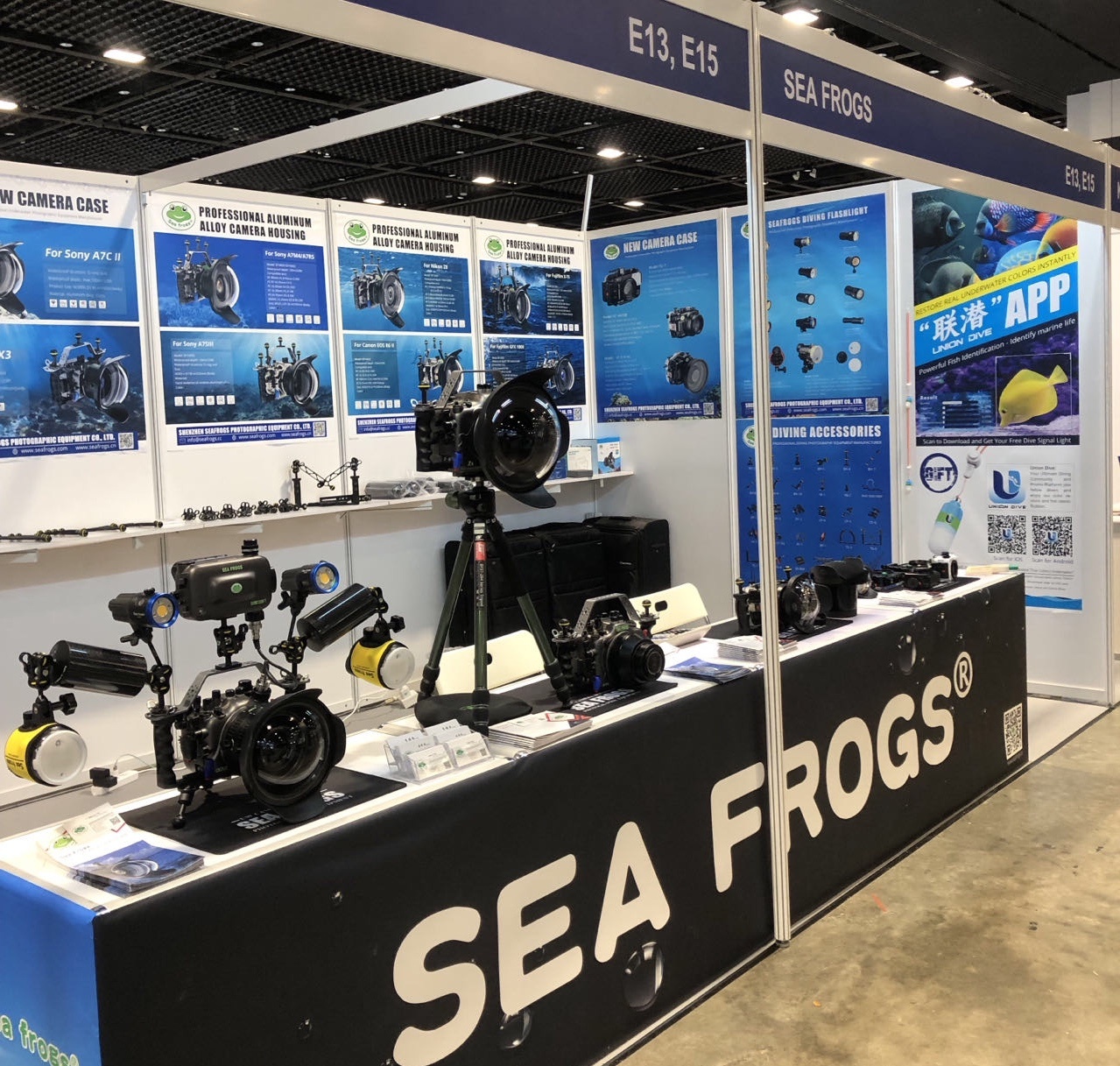
April 12-14th, 2024
Suntec Singapore Convention & Exhibition Centre
2024/04/12
Copyright © 2024 Shenzhen Seafrogs Photographic Equipment Co., Ltd. All rights reserved.
Powered by 300.cn | SEO |