
Exploring the Depths: A Comprehensive Guide to Underwater Camera Housing
2026-09-07 17:00
Underwater photography has become increasingly popular among divers and water sports enthusiasts, allowing them to capture breathtaking images of marine life and underwater landscapes. One of the key components to this endeavor is the underwater camera housing, which protects cameras from water damage while enabling high-quality image capture.
An underwater camera housing is a protective enclosure designed specifically to keep your camera safe from the harsh conditions found beneath the surface of the water. These housings are typically made from durable materials such as polycarbonate or aluminum, offering both waterproofing and impact resistance. The primary function of underwater camera housing is to keep water out, but it also provides various features to enhance the user's ability to shoot underwater.
When choosing an underwater camera housing, consider factors such as depth rating, ease of access to camera controls, and compatibility with different camera models. Most housings come with specifications indicating how deep they can safely operate, ranging from shallow depths suitable for snorkeling to professional-grade housings that can withstand dives of over 100 meters. It's crucial to select a housing that matches your diving experience and intended depth of exploration.
Another essential aspect of underwater camera housing is the ergonomics and functionality of the controls. A well-designed housing will allow you to access buttons, dials, and settings easily, even when wearing gloves. Look for housings with customizable features, such as the ability to attach external lights or wide-angle lenses, which can significantly enhance your underwater photography experience.
Moreover, proper maintenance of your underwater camera housing is vital for optimal performance. Always rinse the housing with fresh water after use and inspect it for any signs of wear or damage. Regularly check seals and O-rings for integrity, as these are crucial for preventing leaks. Familiarizing yourself with the housing's operating manual and practicing with it in a controlled environment will also help you become more comfortable before heading into deeper waters.
In addition to protecting your camera, underwater housing sometimes features additional elements like anti-fogging inserts, which can prevent moisture buildup inside the housing during dives. Understanding these features and how they work can greatly impact your underwater photography experience.
In summary, an underwater camera housing is an indispensable tool for any underwater photographer or diver looking to capture the beauty of the aquatic world. By understanding the key features and considerations when choosing a housing, you can ensure that your equipment remains safe while you focus on documenting extraordinary underwater moments.
MORE NEWS
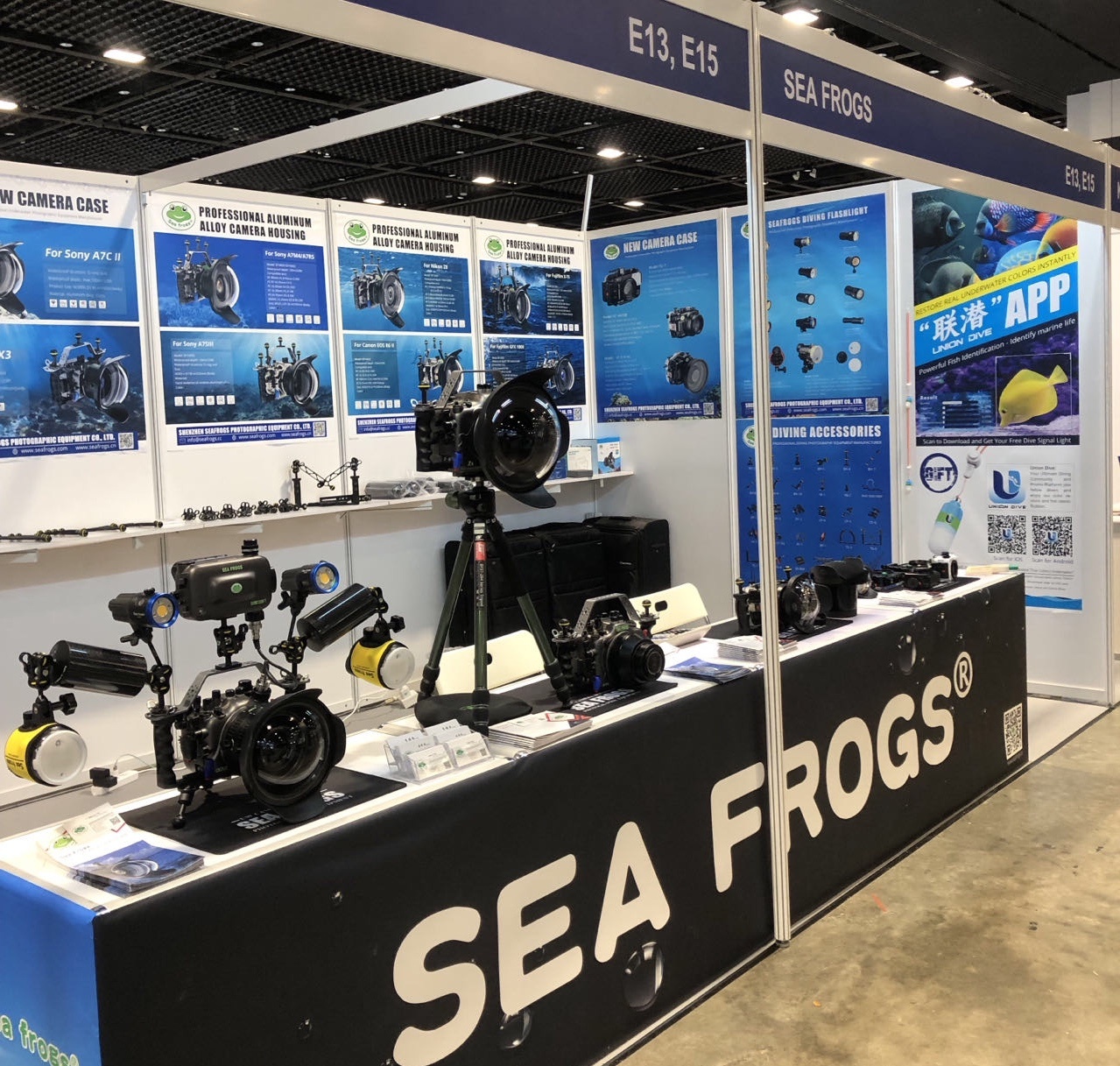
April 12-14th, 2024
Suntec Singapore Convention & Exhibition Centre
2024/04/12
Copyright © 2024 Shenzhen Seafrogs Photographic Equipment Co., Ltd. All rights reserved.
Powered by 300.cn | SEO |