
Underwater Photography Made Easy: A Comprehensive Guide to Sony's Aluminum Housing
2026-08-23 17:10
Underwater Photography Made Easy: A Comprehensive Guide to Sony's Aluminum Housing
Table of Contents
- 1. Introduction to Underwater Photography
- 2. Why Choose Sony for Underwater Photography?
- 3. Understanding Aluminum Housing for Sony Cameras
- 4. Key Features of Sony's Aluminum Housing
- 5. Preparing for Your Underwater Shoot
- 6. Underwater Photography Techniques You Should Know
- 7. Post-Processing Your Underwater Images
- 8. Common Mistakes to Avoid in Underwater Photography
- 9. FAQs about Underwater Photography with Sony's Aluminum Housing
- 10. Conclusion
1. Introduction to Underwater Photography
Underwater photography opens up a mesmerizing realm filled with vibrant marine life and stunning underwater landscapes. However, capturing those breathtaking moments requires the right equipment and techniques. With the advent of advanced technology, taking photos beneath the waves has become accessible for enthusiasts of all levels. In this guide, we will specifically focus on the advantages of using **Sony's aluminum housing** for your underwater photography endeavors, ensuring you achieve the best quality shots while exploring the depths.
2. Why Choose Sony for Underwater Photography?
Sony has established itself as a leader in the camera industry, particularly for underwater photography. Here are several reasons why choosing a **Sony camera** can enhance your underwater experience:
2.1 High-Quality Sensors
Sony cameras are renowned for their **superior image quality** and high-performance sensors. The **Exmor R sensor** captures more light, producing stunning images even in low-light underwater conditions.
2.2 Compact Design
The compact and lightweight design of Sony's mirrorless cameras allows for easy handling and portability, making them ideal for underwater adventures.
2.3 Exceptional Video Capabilities
With the rise of underwater videography, Sony's cameras offer superior video quality, enabling you to capture dynamic scenes in stunning detail.
3. Understanding Aluminum Housing for Sony Cameras
Aluminum housing is often recommended for underwater photography due to its durability and lightweight characteristics. Here are the key components to understand:
3.1 What is Aluminum Housing?
Aluminum housing encases your camera, protecting it from water damage while allowing full access to its controls. Unlike plastic housings, aluminum options offer enhanced **pressure resistance**, making them suitable for deeper dives.
3.2 Benefits of Using Aluminum Housing
- **Durability**: Aluminum is more robust than plastic, providing better protection against knocks and drops.
- **Control Access**: Most aluminum housings feature **custom ports** that allow easy access to camera buttons and dials, enabling quick adjustments while underwater.
- **Heat Dissipation**: Aluminum helps regulate temperature, minimizing the risk of overheating during extended use.
4. Key Features of Sony's Aluminum Housing
When selecting aluminum housing for your Sony camera, consider these essential features:
4.1 Waterproof Rating
Ensure the housing's waterproof rating meets your diving needs, typically ranging from 40 meters to over 100 meters.
4.2 Lens Port Options
Different lens ports accommodate various lenses, allowing for versatility in your underwater photography.
4.3 Built-in Floatation
Some aluminum housings come with built-in floatation devices, making it easier to handle the camera while swimming or diving.
4.4 Accessory Compatibility
Check for compatibility with accessories such as external lights and underwater strobes, enhancing your photographic capabilities.
5. Preparing for Your Underwater Shoot
Preparation is crucial for successful underwater photography. Here are essential steps to take before your dive:
5.1 Equipment Checklist
Before heading out, ensure you have all necessary gear, including:
- **Sony camera**
- **Aluminum housing**
- **Extra batteries**
- **Memory cards**
- **Lens cleaning cloth**
5.2 Familiarizing Yourself with Your Equipment
Spend time practicing with your camera and housing before your dive. Understanding the controls and settings will boost your confidence underwater.
5.3 Planning Your Dive Location
Research your dive site, looking for marine life and underwater features you want to capture. Planning will maximize your shooting opportunities.
6. Underwater Photography Techniques You Should Know
To achieve stunning underwater images, employing the right techniques is essential.
6.1 Lighting Techniques
Natural light fades quickly underwater, so consider using an external strobe or video light for better illumination. Position your light source at an angle to reduce backscatter.
6.2 Composition Strategies
Utilize the **rule of thirds**, leading lines, and foreground interest to create compelling compositions that draw the viewer's eye.
6.3 Focus on Details
Capture the intricate details of marine life by getting up close. Use a macro lens for stunning close-ups of small creatures and textures.
6.4 Monitoring Your Buoyancy
Maintain proper buoyancy to avoid disturbing marine life and sediment. Use a dive computer to help you manage your buoyancy effectively.
7. Post-Processing Your Underwater Images
Post-processing can dramatically enhance your underwater photographs. Here are tips to improve your editing workflow:
7.1 Adjusting Color Balance
Underwater images often suffer from a blue or green cast. Use photo editing software to correct this by adjusting the color balance for a more natural look.
7.2 Cropping and Framing
Consider cropping to improve composition, especially if you want to emphasize your subject.
7.3 Sharpening and Noise Reduction
Apply selective sharpening to enhance details, while also using noise reduction tools to minimize any graininess caused by higher ISO settings.
8. Common Mistakes to Avoid in Underwater Photography
Learning from common mistakes can improve your underwater photography skills significantly.
8.1 Overexposing Shots
Be cautious with exposure settings; the bright sunlight can lead to overexposed images. Adjust your exposure compensation as needed.
8.2 Ignoring the Background
Pay attention to the background of your shots. A cluttered background can distract from your subject. Look for clean, uncluttered spaces.
8.3 Neglecting to Check Equipment
Before diving, always check that your housing is properly sealed and all equipment is in working order to avoid mishaps underwater.
8.4 Rushing the Shot
Take your time to compose your shots. Quick, hurried images often lack the artistry that slower, more deliberate photography captures.
9. FAQs about Underwater Photography with Sony's Aluminum Housing
9.1 What is the best Sony camera for underwater photography?
For underwater photography, the **Sony A7 series** and **Sony RX100 series** are popular choices due to their excellent image quality and compact size.
9.2 How deep can I dive with Sony's aluminum housing?
This depends on the specific model of the housing. Many options allow for dives up to 100 meters, but always check the specifications to ensure safety.
9.3 Do I need special lenses for underwater photography?
While standard lenses can work, using **wide-angle** or **macro lenses** can significantly enhance your underwater shots, allowing for creative compositions.
9.4 Can I use Sony’s aluminum housing for snorkeling?
Absolutely! Many photographers use aluminum housing for snorkeling as it provides excellent protection while capturing beautiful underwater scenes.
9.5 What maintenance is required for aluminum housing?
Regularly clean your housing, especially seals and ports, to prevent saltwater corrosion. Store it dry and free from moisture when not in use.
10. Conclusion
Underwater photography is not only about capturing stunning images; it's about exploring the breathtaking beauty of the underwater world. With a **Sony camera** and the right aluminum housing, you can unlock a realm of possibilities. By understanding the features, preparing adequately, and employing effective techniques, you can elevate your underwater photography skills to new heights. Dive in, experiment, and embrace the art of capturing the mesmerizing world beneath the waves.
MORE NEWS
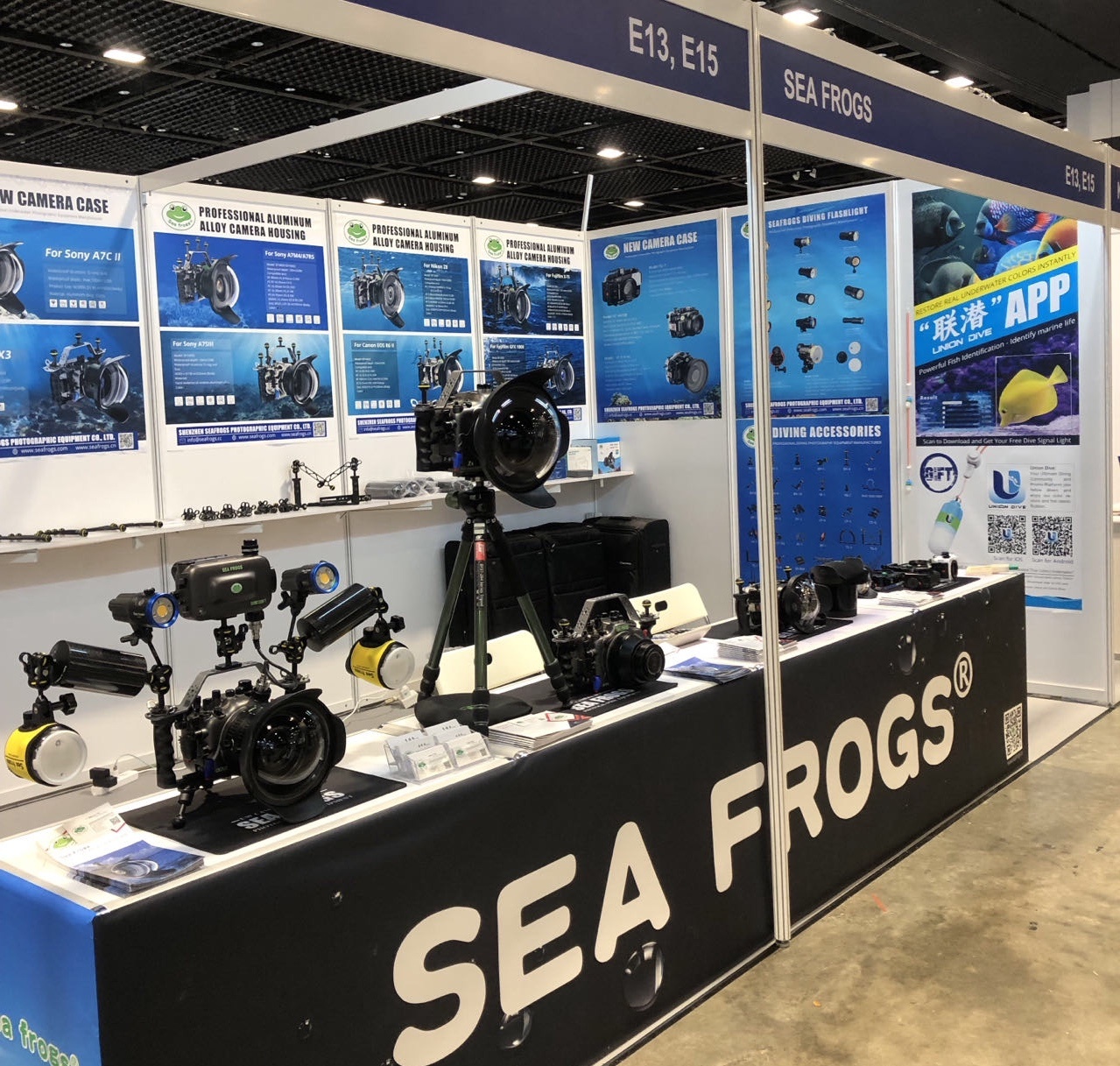
April 12-14th, 2024
Suntec Singapore Convention & Exhibition Centre
2024/04/12

Copyright © 2024 Shenzhen Seafrogs Photographic Equipment Co., Ltd. All rights reserved.
Powered by 300.cn | SEO |