
Understanding the Different Types of Aluminum Camera Housing: A Comprehensive Guide
2025-12-03 10:40
Understanding the Different Types of Aluminum Camera Housing
When it comes to securing our spaces, the **importance of surveillance systems** cannot be overstated. A critical component of these systems is the camera housing, specifically the aluminum variants. This article delves into the various types of aluminum camera housing, offering insights to help you choose the best option for your needs.
The Role of Camera Housing in Security Systems
Camera housing serves a dual purpose: it protects the camera from environmental elements and enhances its functionality. Proper housing is crucial for ensuring that the camera remains operational and effective in various conditions. As technology advances, the design and materials used for camera housing evolve, making aluminum a popular choice.
Why Choose Aluminum for Camera Housing?
Aluminum camera housings are favored for several reasons:
- **Durability**: Aluminum is resistant to corrosion, making it ideal for outdoor use.
- **Lightweight**: Compared to other materials, aluminum is lighter, facilitating easier installation.
- **Heat Dissipation**: Aluminum effectively dissipates heat, preventing overheating of the camera components.
- **Aesthetic Appeal**: Its sleek, modern look can complement various architectural styles.
Common Types of Aluminum Camera Housing
Understanding the different types of aluminum camera housing is essential for effective surveillance. Below are the most common types:
1. Standard Aluminum Housing
Standard aluminum housing typically features a simple, robust design. These housings can accommodate most camera types, ensuring they remain protected from dust, dirt, and moisture.
**Key Features**:
- Generally IP-rated for water and dust resistance.
- Suitable for indoor and outdoor use.
- Available in various sizes to fit different camera models.
2. Weatherproof Aluminum Housing
Weatherproof aluminum housing is specifically designed for harsh environments. This type often has enhanced sealing and protective features.
**Key Features**:
- Higher IP ratings (IP65 or above) for maximum protection against the elements.
- Built-in heating elements for cold environments.
- Often includes sunshields to reduce glare and heat inside the housing.
3. Vandal-Resistant Aluminum Housing
For high-risk areas where vandalism is a concern, vandal-resistant aluminum housing offers an added layer of security.
**Key Features**:
- Reinforced design to withstand impact and tampering.
- Typically features thicker walls and a secure locking mechanism.
- Often includes anti-vandal features like tamper-proof screws.
4. PTZ Camera Aluminum Housing
Pan-Tilt-Zoom (PTZ) cameras require specialized housing to accommodate their moving parts. PTZ aluminum housing allows for flexible camera positioning.
**Key Features**:
- Designed with cutouts for cables and moving parts.
- Often includes integrated heaters and fans to maintain optimal operating conditions.
- Can be mounted on various structures, providing versatile installation options.
5. Integrated Aluminum Housing
Integrated aluminum housing combines the camera and housing into a single unit. This design simplifies installation while maintaining durability.
**Key Features**:
- Compact design for space-saving installation.
- Often pre-wired for easier setup.
- Can be equipped with various camera models, offering flexibility.
Choosing the Right Aluminum Camera Housing
Selecting the appropriate aluminum camera housing is crucial for maximizing the effectiveness of your surveillance system. Here are some factors to consider:
1. Environmental Conditions
Evaluate the environment where the camera will be installed. Areas with extreme temperatures, humidity, or exposure to corrosive elements require specialized housing to ensure longevity.
2. Camera Type
Different cameras have varying requirements. Make sure the housing you choose is compatible with your camera model, especially for PTZ cameras.
3. Security Needs
Consider the level of security required. Vandal-resistant housings are ideal for high-risk areas, while standard housings may suffice in low-threat environments.
4. Aesthetic Considerations
For installations in visible areas, the appearance of the aluminum housing may be essential. Choose designs that complement the surrounding architecture.
5. Budget
Aluminum camera housing comes in various price ranges. Determine your budget while considering the features that are necessary for your specific application.
Installation Tips for Aluminum Camera Housing
Proper installation of aluminum camera housing is essential for optimal performance. Here are some tips:
1. Choose the Right Location
Select a location that offers a clear field of view. Avoid positioning the camera in locations that potential vandals can easily access.
2. Secure Mounting
Ensure the housing is securely mounted to prevent movement. Use appropriate screws and anchors for the type of surface.
3. Seal All Openings
Make sure to seal any openings where cables enter the housing. This helps maintain the weatherproof integrity of the unit.
4. Regular Maintenance
Periodically check the housing for signs of wear or damage. Clean the exterior to ensure unobstructed views and prevent buildup that can impair performance.
Frequently Asked Questions (FAQs)
1. What is the difference between standard and weatherproof aluminum housing?
Standard aluminum housing is suitable for typical indoor and outdoor use, while weatherproof housing is specifically designed to withstand harsher environmental conditions.
2. Can aluminum camera housing be painted?
Yes, aluminum can be painted, but it's important to use a paint designed for metal surfaces to ensure adherence and durability.
3. How do I know if my camera is compatible with a specific housing?
Check the manufacturer's specifications for both the camera and housing to ensure compatibility regarding dimensions and mounting options.
4. Are there temperature ratings for aluminum camera housing?
Most manufacturers provide temperature ratings for their aluminum housings. Be sure to choose a housing that can maintain performance in your environment.
5. Is installation of aluminum camera housing difficult?
Installation can be straightforward with basic tools, but it is essential to follow the manufacturer's guidelines closely for the best results.
Conclusion
In conclusion, understanding the different types of aluminum camera housing is crucial for enhancing your security systems. From standard housings to specialized options like weatherproof and vandal-resistant variants, each type serves a unique purpose in protecting your surveillance cameras. By considering factors such as environmental conditions, camera types, and aesthetic preferences, you can make informed decisions that optimize the effectiveness of your surveillance setup. Investing in the right aluminum camera housing not only safeguards your equipment but also plays a pivotal role in ensuring the security of your premises.
MORE NEWS
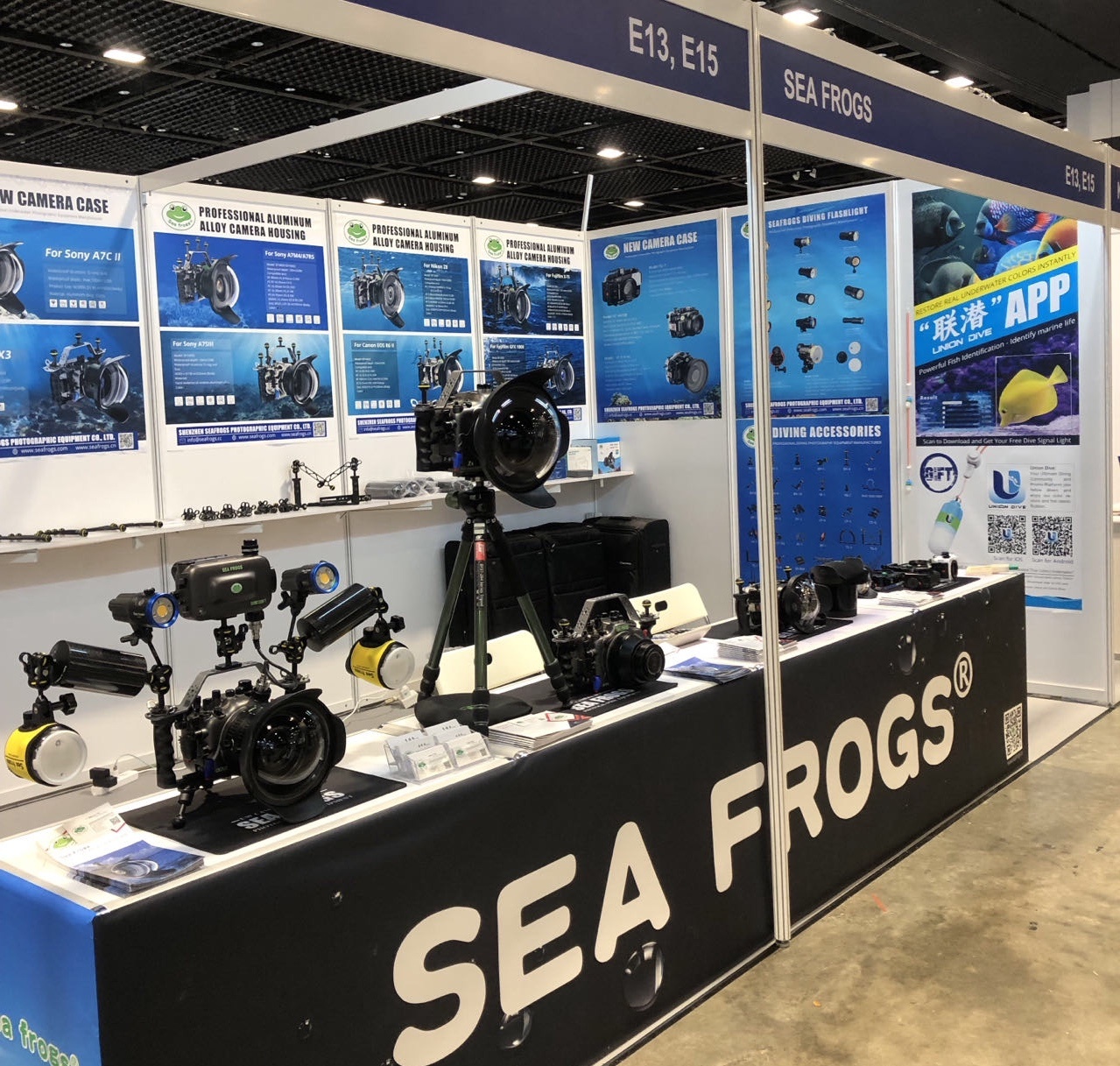
April 12-14th, 2024
Suntec Singapore Convention & Exhibition Centre
2024/04/12
Copyright © 2024 Shenzhen Seafrogs Photographic Equipment Co., Ltd. All rights reserved.
Powered by 300.cn | SEO |