
Essential Features to Look for in Underwater Camera Housing: A Comprehensive Guide
2025-11-03 17:30
Essential Features to Look for in Underwater Camera Housing
When it comes to capturing breathtaking underwater moments, having the right equipment is critical. **Underwater camera housing** is an essential component for any underwater photographer or videographer. It not only protects your camera from water damage but also allows you to operate it effectively in challenging conditions. In this guide, we will explore the essential features to look for when selecting underwater camera housing, ensuring you make an informed decision that meets your needs.
Table of Contents
- Understanding Underwater Camera Housing
- Importance of Waterproofing
- Key Materials and Construction
- Ergonomics and Design
- Port Compatibility and Accessories
- Controls and User Interface
- Maintenance and Care
- Budgeting for Underwater Camera Housing
- Frequently Asked Questions
Understanding Underwater Camera Housing
Underwater camera housing is designed to protect your camera equipment from water, pressure, and other elements encountered during underwater exploration. These housings come in various styles, sizes, and price ranges, catering to different types of cameras and underwater photography needs. Before purchasing, it's essential to understand the various features and specifications that can affect your shooting experience.
Importance of Waterproofing
Waterproofing is the most critical feature of any underwater camera housing. A housing with a proper waterproof rating will ensure that your equipment stays dry and functions correctly underwater. When evaluating a housing, pay attention to its waterproof rating, which is usually expressed in meters (e.g., 30m, 60m).
**Pressure resistance** is also a vital consideration. Different depths expose your camera to varying pressure levels, and a robust housing must withstand these pressures without leaking. Ensure the housing's specifications match your intended diving depth to prevent any mishaps.
Water Resistance Standards
Familiarize yourself with common water resistance standards, such as IPX ratings. While many camera housings advertise their waterproof capabilities, understanding how these ratings work will help you make a more informed choice. Look for housings that meet or exceed the recommended standards for your specific underwater activities.
Key Materials and Construction
The material used in constructing underwater camera housing significantly impacts its durability and usability. Most housings are made from either **aluminum** or **polycarbonate**.
Aluminum vs. Polycarbonate Housing
- **Aluminum:** This material is robust and can withstand high pressures, making it ideal for deep-sea diving. Aluminum housings often come with a higher price tag but offer superior protection and longevity.
- **Polycarbonate:** While lighter and generally more affordable, polycarbonate housings may not provide the same level of pressure resistance as aluminum. However, they are often designed for recreational diving and can be perfect for casual underwater photography.
Seal Integrity
Seal integrity is another crucial aspect of underwater camera housing. Look for **double O-ring seals**, which provide added protection against leaks. Ensuring that the seals are easily accessible for maintenance is equally important, as proper upkeep prolongs the lifespan of the housing.
Ergonomics and Design
A well-designed underwater camera housing should prioritize user comfort and ease of use. When selecting a housing, consider its ergonomics and how it feels in your hands.
Weight and Size
The weight and size of the housing can significantly affect your underwater experience. A bulky housing can be cumbersome, while a lightweight option allows for more agility and flexibility while shooting. Opt for a housing that balances sturdiness with portability, making it easier to maneuver while underwater.
Button Placement and Accessibility
Check the button layout and accessibility of the housing. You want to ensure that all essential controls are easy to access, even while wearing gloves. A good housing design will have buttons that are intuitively placed, allowing for seamless operation.
Port Compatibility and Accessories
Another critical feature to consider is port compatibility, as this determines the types of lenses and accessories you can use with your underwater camera housing. Different photographers may require different ports based on their shooting style.
Interchangeable Ports
Many high-end housings offer interchangeable ports, allowing you to switch between various lens options. This versatility can greatly enhance your creativity while underwater, enabling you to capture a broader range of subjects.
Accessories and Mounts
Explore the availability of accessories and mounts for your chosen housing. Options such as additional lights, filters, and stabilizers can significantly enhance your underwater shooting experience. Make sure the housing supports compatibility with these essential accessories.
Controls and User Interface
The usability of underwater camera housing is directly tied to the controls and user interface. Look for housings that support **manual controls**, allowing for greater flexibility in adjusting settings like ISO, aperture, and shutter speed while underwater.
Viewfinder and Screen Accessibility
A clear viewfinder or screen is crucial for framing shots effectively. Ensure that the housing offers unobstructed access to your camera's display, enabling you to review images and adjust settings easily.
Maintenance and Care
Taking care of your underwater camera housing is vital for ensuring its longevity and functionality. After each dive, it's essential to perform thorough maintenance to avoid corrosion and other issues.
Cleaning and Inspection
Rinse the housing with fresh water after each use and inspect it for any signs of wear or damage, particularly around the seals. Regular maintenance will help identify potential problems before they escalate, ensuring your housing remains in top condition.
Storage Recommendations
Proper storage of your underwater camera housing can also extend its lifespan. Store the housing in a cool, dry place away from direct sunlight, and consider using a padded case for protection against accidental impacts.
Budgeting for Underwater Camera Housing
Setting a budget for your underwater camera housing is crucial. Prices can vary widely based on the features, materials, and brand.
Understanding Pricing Tiers
While high-end aluminum housings may be more expensive, options exist across a broad price range. Whether you’re a beginner or a seasoned professional, understanding your needs will help you allocate your budget effectively.
Value vs. Cost
Remember that investing in quality underwater camera housing can save you money in the long run by protecting your gear and enhancing your photography. Evaluate the features you need and select housing that offers the best value for your investment.
Frequently Asked Questions
1. What is the best material for underwater camera housing?
The best material depends on your specific needs. Aluminum is great for deep dives, while polycarbonate is ideal for casual use.
2. How deep can I dive with my underwater camera housing?
The depth rating of your housing will dictate how deep you can go. Always check the manufacturer's specifications.
3. Can I use my underwater camera housing for snorkeling?
Yes, underwater camera housings are perfect for snorkeling, though you should ensure they are rated for the depth you plan to explore.
4. How do I maintain my underwater camera housing?
Regular cleaning with fresh water, inspecting O-rings, and proper storage are key maintenance practices.
5. Are interchangeable ports necessary for underwater photography?
Interchangeable ports offer flexibility and allow you to use different lenses, enhancing your creative possibilities underwater.
Conclusion
Selecting the right underwater camera housing is a crucial step in ensuring that your underwater photography endeavors are successful and enjoyable. By focusing on essential features such as waterproofing, materials, design, and controls, photographers can feel confident in their choice. Remember to consider your budget and the specific needs of your underwater adventures. With the right housing, you’ll be well-equipped to capture the stunning beauty of the underwater world.
MORE NEWS
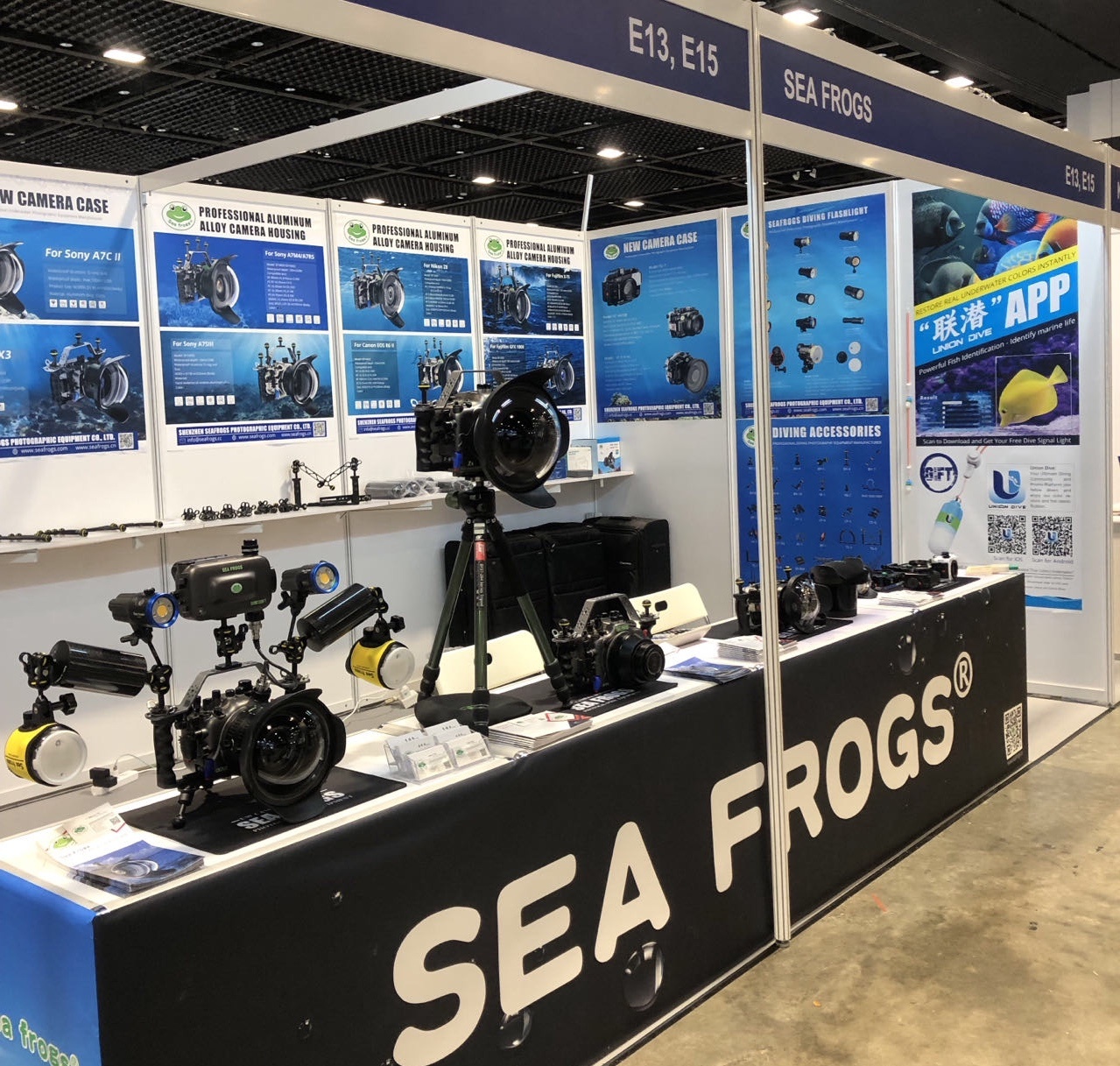
April 12-14th, 2024
Suntec Singapore Convention & Exhibition Centre
2024/04/12
Copyright © 2024 Shenzhen Seafrogs Photographic Equipment Co., Ltd. All rights reserved.
Powered by 300.cn | SEO |