
Getting the Best Shots: Expert Tips for Using Seafrogs Aluminum Camera Housing
2025-06-04 12:00
Getting the Best Shots: Expert Tips for Using Seafrogs Aluminum Camera Housing
Table of Contents
- Introduction to Seafrogs Aluminum Camera Housing
- Understanding Your Gear: Features of Seafrogs Aluminum Camera Housing
- Preparation Before Your Underwater Shoot
- Essential Shooting Techniques for Underwater Photography
- Lighting Considerations for Stunning Underwater Shots
- Common Mistakes to Avoid When Using Seafrogs Housing
- Maintenance Tips for Prolonging the Life of Your Camera Housing
- Conclusion
- Frequently Asked Questions
Introduction to Seafrogs Aluminum Camera Housing
Capturing breathtaking underwater images requires not only skill but also the right equipment. **Seafrogs Aluminum Camera Housing** stands out in the market for its robust construction and user-friendly design. This guide is tailored for both novice and experienced photographers aiming to maximize their shooting capabilities with this equipment. We delve deep into the specifics of using Seafrogs housing effectively, enabling you to take your underwater photography to new heights.
Understanding Your Gear: Features of Seafrogs Aluminum Camera Housing
When it comes to **underwater photography**, understanding the features of your camera housing is crucial. Seafrogs Aluminum Camera Housing is designed to provide superior protection for your camera while allowing easy access to controls. Here are key features to consider:
Durable Construction
Built from high-quality aluminum, Seafrogs housing is resistant to corrosion and is designed to withstand tough underwater conditions. This durability ensures that your camera remains safe even in challenging environments.
Accessibility and Control
The design of the housing allows photographers to access essential camera controls without hassle. This feature is crucial for capturing spontaneous moments in underwater settings.
Versatility
Seafrogs aluminum housing is compatible with a variety of camera models and accessories, making it a versatile choice for photographers with different setups.
Preparation Before Your Underwater Shoot
Proper preparation significantly influences the outcome of your underwater photography. Here are some essential steps to take before diving in.
Check Equipment
Before each dive, ensure that your camera and housing are in optimal condition. Check the seals, o-rings, and buttons to guarantee they function smoothly and are free of water damage.
Familiarize Yourself with the Settings
Understanding your camera settings is vital. Familiarize yourself with features such as ISO, shutter speed, and aperture. This knowledge will allow for quick adjustments in changing underwater lighting conditions.
Plan Your Shots
Consider your shooting environment and the subjects you want to capture. Research locations and specific marine life behaviors to plan your shots effectively.
Essential Shooting Techniques for Underwater Photography
Capturing awe-inspiring underwater images requires employing effective shooting techniques. Here are some expert tips to enhance your photography skills.
Use a Wide-Angle Lens
A wide-angle lens allows you to capture expansive underwater scenes. This is particularly beneficial when photographing coral reefs or schools of fish, as it helps convey the beauty of the underwater environment.
Maintain Proper Buoyancy
Maintaining neutral buoyancy is essential for stability and control. Use buoyancy control devices to adjust your position in the water, enabling smoother movements and reducing camera shake.
Get Close to Your Subject
Water absorbs light, so the closer you are to your subject, the better the colors and details will appear. Aim to get within a few feet of your subjects for the best results.
Experiment with Angles
Changing your shooting angle can dramatically alter the composition of your images. Try shooting from above, below, or even at eye level with your subject to achieve unique perspectives.
Lighting Considerations for Stunning Underwater Shots
Underwater lighting can be challenging due to the absorption of color and light by water. Here’s how to optimize your lighting setup for incredible shots.
Utilize Natural Light
The best time to shoot is during the day when natural light penetrates the water more effectively. Aim to shoot when the sun is high in the sky for optimal brightness.
Invest in External Lighting
For deeper dives or darker environments, consider using external strobes or video lights. These tools can illuminate your subject and restore color vibrancy in your images.
Adjust White Balance
Manually adjusting the white balance on your camera can compensate for the loss of color underwater. Experiment with different settings to find what works best for your environment.
Common Mistakes to Avoid When Using Seafrogs Housing
Even experienced photographers can fall victim to common pitfalls when shooting underwater. Here are mistakes to avoid for the best results.
Ignoring Maintenance
Neglecting the maintenance of your camera housing can lead to issues such as leaks. Regularly check and clean seals, o-rings, and other components after each use.
Using Incorrect Settings
Failing to adjust your camera settings according to the underwater conditions can result in poorly exposed images. Always evaluate your settings based on your shooting environment.
Not Practicing
Underwater photography requires a different skill set compared to land-based photography. Spend time practicing to build your confidence and improve your technique.
Maintenance Tips for Prolonging the Life of Your Camera Housing
Proper maintenance is crucial for ensuring the longevity of your Seafrogs Aluminum Camera Housing. Follow these tips to keep your gear in top shape.
Clean After Each Use
After diving, rinse your camera housing with fresh water to remove salt and debris. This step helps prevent corrosion and damage.
Inspect O-Rings Regularly
Check the condition of the o-rings and seals before each dive. Replacing damaged o-rings promptly is essential for preventing water leaks.
Store Properly
When not in use, store your camera housing in a cool, dry place away from direct sunlight. Proper storage conditions help maintain the integrity of the materials.
Conclusion
In conclusion, using Seafrogs Aluminum Camera Housing opens up endless opportunities for stunning underwater photography. By understanding your gear, preparing adequately, employing effective shooting techniques, and practicing proper maintenance, you can elevate your underwater photography experience. Embrace the adventure beneath the waves, and capture memories that will last a lifetime.
Frequently Asked Questions
1. Can I use Seafrogs Aluminum Camera Housing for snorkeling as well as diving?
Yes, Seafrogs Aluminum Camera Housing is suitable for both snorkeling and diving, making it a versatile choice for various underwater activities.
2. How deep can I go with Seafrogs Aluminum Camera Housing?
Seafrogs housing can typically withstand depths of up to 40 meters, depending on the specific model. Always check the manufacturer's specifications for your unit.
3. Do I need special filters for underwater photography?
Using color correction filters can enhance the hues in your underwater images, particularly when shooting at greater depths. They help restore lost colors due to water absorption.
4. What is the best camera to use with Seafrogs housing?
Seafrogs housing is compatible with various camera models. The best option depends on your personal preferences, budget, and photography skills.
5. How can I prevent fogging inside the housing?
To prevent fogging, consider using anti-fog inserts or applying a defogging solution to the lens before sealing the housing. Always seal the housing in a cool, dry environment for best results.
MORE NEWS
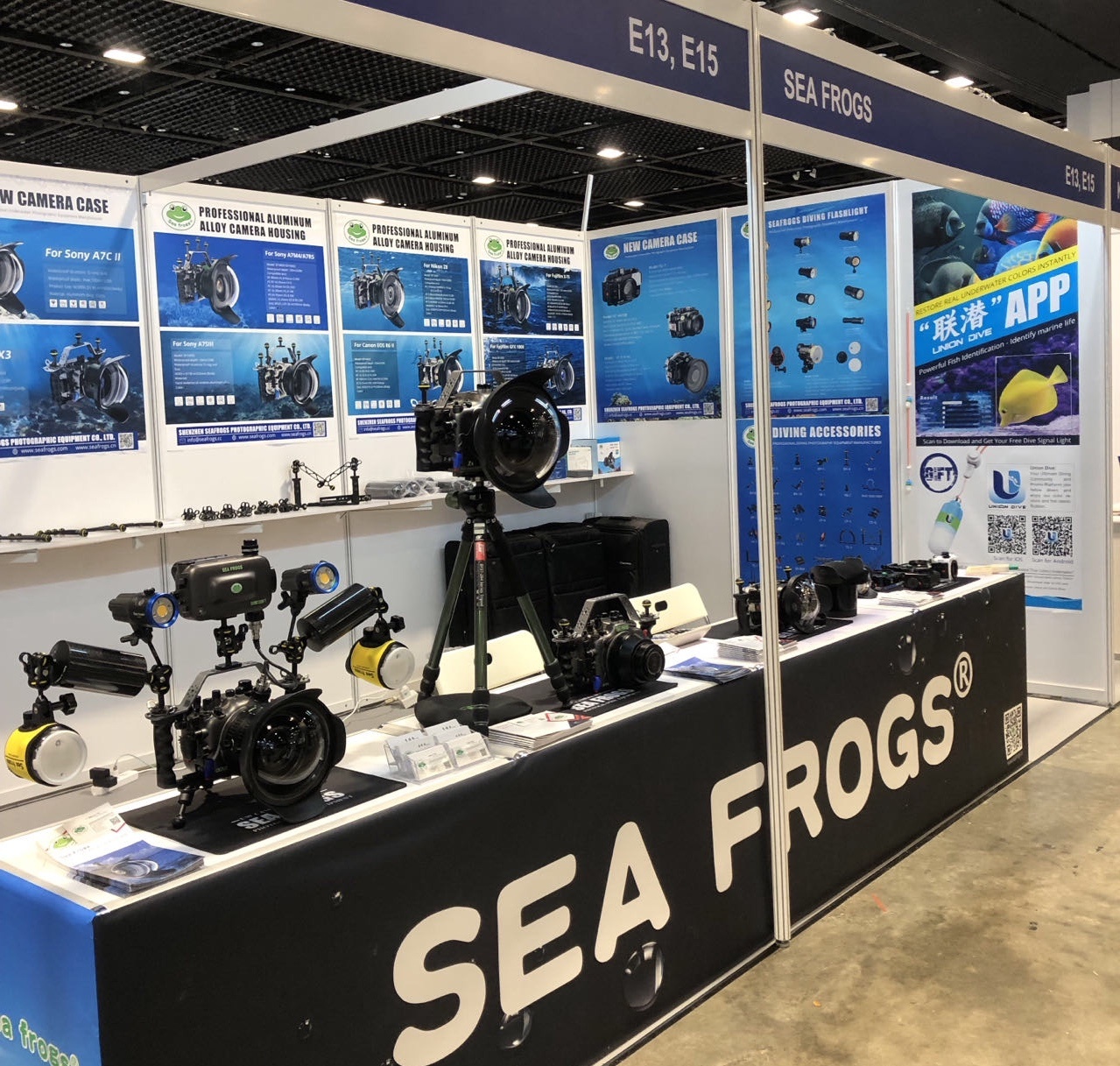
April 12-14th, 2024
Suntec Singapore Convention & Exhibition Centre
2024/04/12
Copyright © 2024 Shenzhen Seafrogs Photographic Equipment Co., Ltd. All rights reserved.
Powered by 300.cn | SEO |