
Maximize Your Underwater Photography: A Comprehensive Guide to Seafrogs Aluminum Camera Housing
2025-04-25 12:40
Making the Most of Your Seafrogs Aluminum Camera Housing on Underwater Trips
Table of Contents
- Introduction to Seafrogs Aluminum Camera Housing
- Key Features of Seafrogs Aluminum Camera Housing
- Preparation Before Your Underwater Trip
- Best Techniques for Underwater Photography
- Maintenance and Care of Your Camera Housing
- Troubleshooting Common Issues
- Comparison with Other Camera Housings
- Conclusion
- FAQs About Seafrogs Aluminum Camera Housing
Introduction to Seafrogs Aluminum Camera Housing
For underwater enthusiasts, capturing breathtaking moments beneath the waves is both an art and a passion. The **Seafrogs aluminum camera housing** offers an exceptional solution for underwater photography, designed to provide protection and functionality under challenging conditions. In this guide, we will explore how to maximize your experience with this high-quality camera housing, ensuring you capture stunning images during your aquatic adventures.
Key Features of Seafrogs Aluminum Camera Housing
Understanding the features of the Seafrogs aluminum camera housing is crucial for effective usage. Here are some standout characteristics:
1. Durable Material and Design
The aluminum construction provides significant durability while remaining lightweight. This design ensures that your camera is protected from pressure and potential damage from saltwater exposure.
2. Ergonomic Controls
With ergonomically designed buttons and knobs, you can easily access your camera settings without removing the housing. This feature is vital for quick adjustments while diving.
3. Port Options
Seafrogs offers various lens ports compatible with different camera models, enabling photographers to use wide-angle or macro lenses based on their underwater photography needs.
4. Built-in Vacuum System
The integrated vacuum system allows users to check for any leaks before entering the water, providing peace of mind and preventing potential damage to your camera.
5. Compatibility with Various Cameras
Seafrogs housing is compatible with a wide range of digital cameras, making it a versatile choice for photographers at different levels.
Preparation Before Your Underwater Trip
Before you dive into the depths, adequate preparation is essential to ensure your Seafrogs aluminum camera housing performs optimally.
1. Familiarize Yourself with the Housing
Spend time getting to know your Seafrogs housing. Understand how to operate the buttons and controls, and practice attaching and detaching the camera. This familiarity will help you feel more confident underwater.
2. Check Seals and O-rings
Inspect the seals and O-rings for any signs of wear or damage. Lubricate them with silicone grease to ensure a watertight seal. A minor oversight here can lead to significant water damage.
3. Test the Housing
Perform a test dive in shallow water to check for leaks and ensure all functions operate correctly. This practice dive is crucial to avoid surprises during your main underwater shooting.
4. Pack the Right Accessories
Consider bringing extra batteries, memory cards, and a cleaning kit for your lens. Underwater conditions can be unpredictable, so being prepared will ensure you don’t miss capturing that perfect shot.
Best Techniques for Underwater Photography
Once you’re in the water, applying the right techniques can significantly enhance your underwater photography experience.
1. Use Natural Light Wisely
Natural light diminishes quickly underwater. Shoot in shallow areas where sunlight penetrates, and choose the right time of day for optimal lighting conditions.
2. Maintain Proper Buoyancy
Achieving neutral buoyancy is essential for stable shooting. Use a buoyancy control device (BCD) to help manage your position in the water and avoid unwanted movements that can blur your images.
3. Get Close to Your Subject
Water reduces clarity and color saturation. Getting close to your subject minimizes the amount of water between the camera and the subject, resulting in clearer images.
4. Experiment with Angles
Don’t hesitate to try various angles and perspectives. Shooting from above, below, or at an angle can create unique compositions that make your photos stand out.
5. Use Manual Settings
If you're comfortable with manual settings, don’t shy away from using them. Adjusting ISO, shutter speed, and aperture allows you to control exposure and capture the desired effect based on your shooting conditions.
Maintenance and Care of Your Camera Housing
Proper maintenance of your Seafrogs aluminum camera housing will prolong its life and ensure reliability during underwater trips.
1. Rinse After Every Dive
Always rinse your camera housing with fresh water after each dive to remove salt and debris that can accumulate and cause damage over time.
2. Store Properly
When not in use, store your camera housing in a cool, dry place. Avoid direct sunlight and high humidity to prevent corrosion or mold buildup.
3. Regular Inspections
Periodically inspect all components of the housing, including O-rings and ports. If any part shows signs of wear, consider replacing it to maintain performance.
4. Professional Servicing
If you notice any issues during your inspections, or if it has been a while since your last professional check-up, consider sending your housing to a qualified technician for servicing. This precaution can save you from catastrophic failures during a dive.
Troubleshooting Common Issues
Even with the best equipment, problems can arise. Here are some common issues and how to troubleshoot them effectively.
1. Foggy Lens
If your lens fogs up, it’s often due to temperature changes. Use anti-fog solutions or insert silica gel packs inside the housing before sealing it to absorb moisture.
2. Water Leakage
If you discover water inside your housing, stop using it immediately. Check O-rings for damage or misalignment. In many cases, re-sealing the housing correctly can resolve the issue.
3. Controls Sticking or Not Functioning
If buttons are sticking or unresponsive, inspect them for debris or corrosion. Cleaning with a soft cloth and a small amount of freshwater may resolve the problem.
4. Poor Image Quality
If your images lack sharpness or clarity, consider your position relative to the subject and lighting conditions. Adjusting your settings or getting closer can often improve image quality.
Comparison with Other Camera Housings
When considering the Seafrogs aluminum camera housing, it’s worthwhile to compare its features with other popular options in the market.
1. Versatility
Unlike many plastic housings, the Seafrogs aluminum model offers greater versatility with its port options and compatibility with various cameras. This versatility can be a game-changer for photographers looking to switch lenses based on their underwater environment.
2. Build Quality
While plastic housings are often more affordable, they may not withstand extreme underwater conditions as effectively as aluminum housings. Seafrogs offers superior durability while remaining lightweight.
3. Price Point
Though Seafrogs may be priced higher than some plastic alternatives, the investment often pays off in durability and performance, making it a reliable choice for serious underwater photographers.
Conclusion
Maximizing your underwater photography experience with the Seafrogs aluminum camera housing involves understanding its features, proper preparation, and careful technique. By following the guidelines outlined in this article, you can capture stunning underwater images that reflect the beauty of the underwater world. Whether you are a beginner or a seasoned professional, investing time in learning how to utilize your equipment effectively will elevate your underwater photography to new heights.
FAQs About Seafrogs Aluminum Camera Housing
1. Is the Seafrogs aluminum camera housing waterproof?
Yes, the Seafrogs aluminum housing is designed to be waterproof, but proper maintenance and care are essential for ensuring it remains watertight.
2. Can I use different lenses with the Seafrogs housing?
Absolutely! Seafrogs offers various lens ports that allow for the use of different lenses, including wide-angle and macro options.
3. How do I prevent fogging inside the housing?
To prevent fogging, use anti-fog solutions and silica gel packs inside the housing before sealing it.
4. What should I do if my housing leaks?
If you notice water inside your housing, stop using it immediately and inspect the O-rings and seals for damage or misalignment.
5. How should I store my Seafrogs camera housing when not in use?
Store your housing in a cool, dry place, away from direct sunlight and humidity, to prevent corrosion and damage.
MORE NEWS
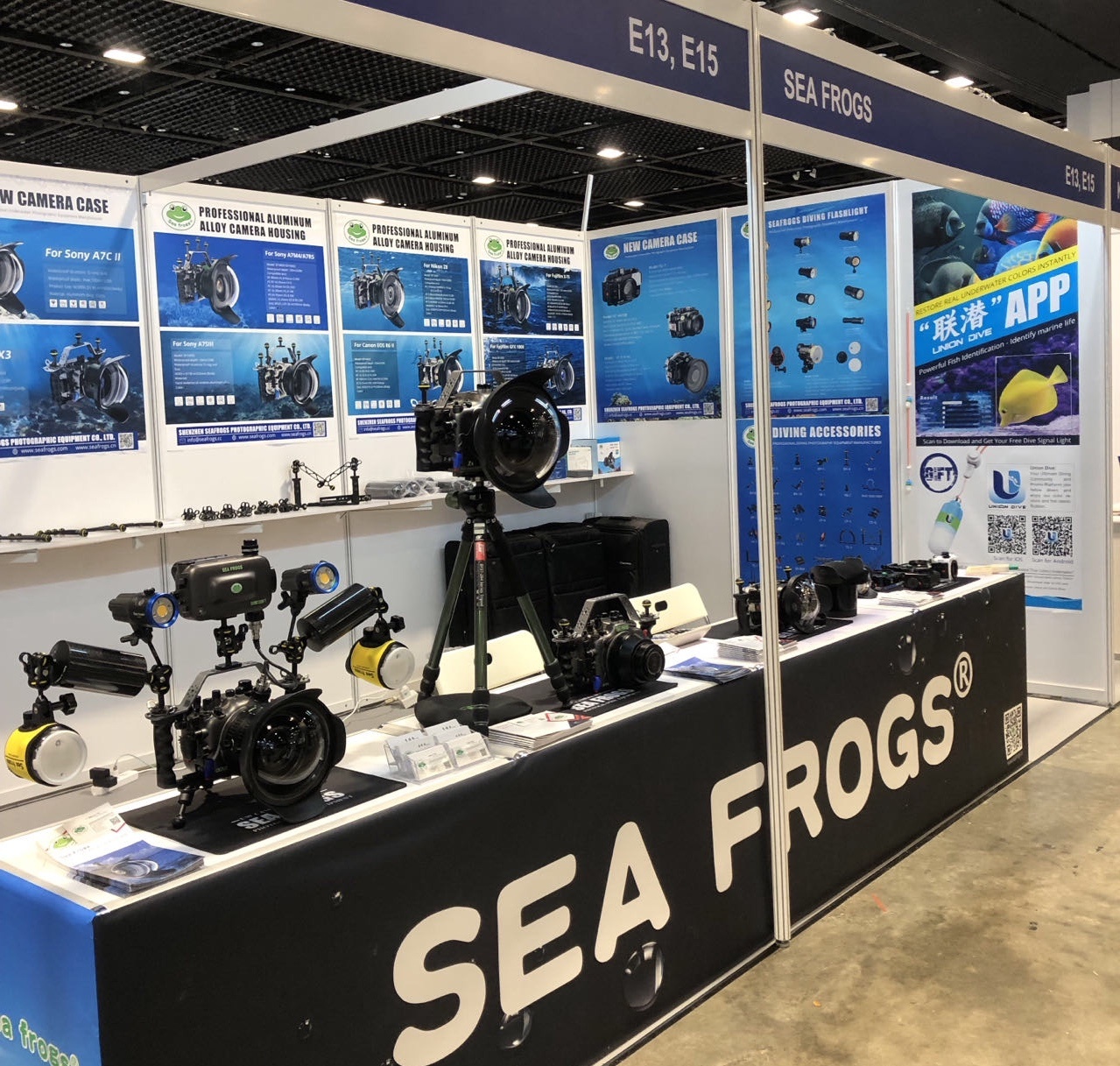
April 12-14th, 2024
Suntec Singapore Convention & Exhibition Centre
2024/04/12
Copyright © 2024 Shenzhen Seafrogs Photographic Equipment Co., Ltd. All rights reserved.
Powered by 300.cn | SEO |