
Expert Tips for Setting Up Strobe Arms for Underwater Photography: Enhance Your Underwater Shots
2025-02-01 09:40
Expert Tips for Setting Up Strobe Arms for Underwater Photography
Underwater photography presents a unique set of challenges, including low light conditions and the need for precise lighting to capture the vibrant colors of marine life. One of the most effective ways to overcome these challenges is by using strobe arms. These versatile tools allow photographers to position lighting effectively, creating stunning images. In this article, we will explore the best tips for setting up strobe arms to maximize your underwater photography results.
Understanding the Importance of Strobe Arms in Underwater Photography
Strobe arms are crucial for achieving the desired lighting in underwater photography. When submerged, natural light decreases rapidly, especially beyond 15 feet. Using strobe lights helps illuminate subjects, ensuring you capture the rich colors and details of marine life. Properly positioned strobe arms can create depth, enhance textures, and reduce backscatter, which can ruin an otherwise stunning photograph.
Choosing the Right Strobe Arms for Your Needs
Selecting the appropriate strobe arms is essential for effective underwater photography. Here are a few factors to consider:
1. Length and Flexibility
The length of your strobe arms affects how far away you can position your strobes from your camera. Longer arms allow for more creative lighting angles, while shorter arms are more compact for travel. Flexible arms enable you to position strobes at various angles, enhancing your lighting setup.
2. Durability and Material
Underwater photography involves exposure to saltwater and pressure. Therefore, choosing strobe arms made from corrosion-resistant materials is vital. Aluminum or high-grade plastic arms tend to be the most durable options.
3. Compatibility with Your Equipment
Ensure the strobe arms you select are compatible with your camera housing and strobe units. Double-check mounting systems to avoid any last-minute surprises during your dive.
Essential Equipment for Underwater Strobe Setup
To set up your strobe arms effectively, you need to gather the right tools and accessories. Here’s a list of essential equipment:
1. Strobe Lights
Select high-quality strobe lights that offer adjustable power settings. This allows you to control the intensity of light, providing flexibility for different underwater conditions.
2. Ball Mounts and Clamps
Ball mounts and clamps are critical for securing your strobe arms to your camera housing. Ensure these components are robust and easy to operate, allowing for quick adjustments underwater.
3. Diffusers
Using diffusers can help soften the light emitted by your strobes, reducing harsh shadows and creating a more natural look. They are particularly useful when photographing delicate subjects like coral or small fish.
4. Synchronization Cables
If your strobes are not TTL (Through The Lens) compatible, you’ll need synchronization cables to connect your strobes to your camera. Ensure they are rated for underwater use to prevent damage.
5. Safety Leash
Accidents happen, so a safety leash will help prevent your strobes from sinking to the ocean floor if they become detached from your setup. It’s a must-have for any underwater photographer.
Positioning Your Strobe Arms for Optimal Lighting
Once you have the right equipment, the next step is to position your strobe arms correctly. Here are some tips for achieving the best lighting results.
1. Angle the Strobe Lights
Position your strobe lights at a 30-45 degree angle towards your subject. This angle minimizes backscatter and evenly distributes light across the subject, enhancing colors and details.
2. Maintain Distance from the Subject
Placing your strobes too close to the subject can result in overexposed images and harsh shadows. Aim for a distance of about 2-3 feet for optimal lighting effects, adjusting as necessary based on the subject and water conditions.
3. Experiment with Positioning
Every underwater environment is different, so don’t hesitate to experiment with strobe positioning. Take test shots and adjust the angles until you find the most flattering light for your subject.
4. Use Two Strobes for Depth
If possible, use two strobe lights to add depth and dimension to your images. Position one strobe to the left and the other to the right of your subject, creating a more three-dimensional effect.
Common Mistakes to Avoid When Setting Up Strobe Arms
While setting up strobe arms can significantly enhance your underwater photography, certain mistakes can hinder your results. Here are some pitfalls to avoid:
1. Ignoring the Effects of Water
Water absorbs color and light differently than air. Failing to account for this can lead to images that appear dull or washed out. Always test your setup in varying depths to understand how water affects your lighting.
2. Rushing the Setup
Underwater conditions can be tricky, and rushing your strobe setup may result in poorly lit images. Take your time to ensure everything is correctly positioned and secured before diving.
3. Forgetting to Check Battery Life
Batteries deplete quickly underwater, especially in cold conditions. Always check your battery levels before a dive and carry spare batteries to avoid missing out on great shots.
4. Not Adjusting Power Settings
Different underwater environments may require different light settings. Failing to adjust the power on your strobes can result in overexposed highlights or underexposed shadows. Always be ready to make adjustments as needed.
Post-Dive Tips for Evaluating Your Strobe Setup
Once you’ve completed your dive and captured images, evaluating your strobe setup is crucial for continuous improvement.
1. Review Your Images
After your dive, take the time to review your images meticulously. Look for instances of backscatter, color accuracy, and exposure levels. Analyzing these factors will help you refine your technique for future dives.
2. Seek Feedback
Engage with other photographers or online communities to share your images and get constructive feedback. This collective insight can provide valuable lessons and encourage new ideas for your next underwater shoot.
3. Experiment with Editing
Consider enhancing your images in post-processing software to adjust lighting, contrast, and color balance. This can help bring out the best in your underwater photography and provide insight into your strobe setup's effectiveness.
FAQs About Setting Up Strobe Arms for Underwater Photography
1. How do I prevent backscatter when using strobe arms?
To minimize backscatter, position your strobes at a 30-45 degree angle towards your subject and maintain a distance of 2-3 feet. Additionally, avoid stirring up sediment while diving.
2. Can I use one strobe instead of two?
Yes, you can use one strobe, but using two strobes allows for more even lighting and better highlights, enhancing the depth of your underwater images.
3. What depth can I safely use strobe arms?
Most strobe arms are designed for depths of up to 100 feet, but always check the manufacturer’s specifications. Ensure your strobe arms and lighting equipment are rated for your intended depth.
4. Do I need a special housing for my strobes?
Yes, strobe lights require waterproof housing to function correctly underwater. Always use equipment specifically designed for underwater use to ensure safety and functionality.
5. How can I improve my underwater photography skills?
Practice is key. Regularly dive and experiment with different settings, compositions, and lighting techniques. Consider attending workshops or seeking advice from experienced underwater photographers.
Conclusion
Setting up strobe arms for underwater photography is a critical skill that significantly impacts the quality of your images. By understanding the importance of proper positioning, equipment selection, and avoiding common mistakes, you can enhance your underwater photography experience. Whether you are a novice or an experienced diver, these expert tips will help you capture stunning underwater images that showcase the beauty of the underwater world. Embrace the challenges and joys of underwater photography, and watch your skills flourish as you master the art of strobe lighting.
MORE NEWS
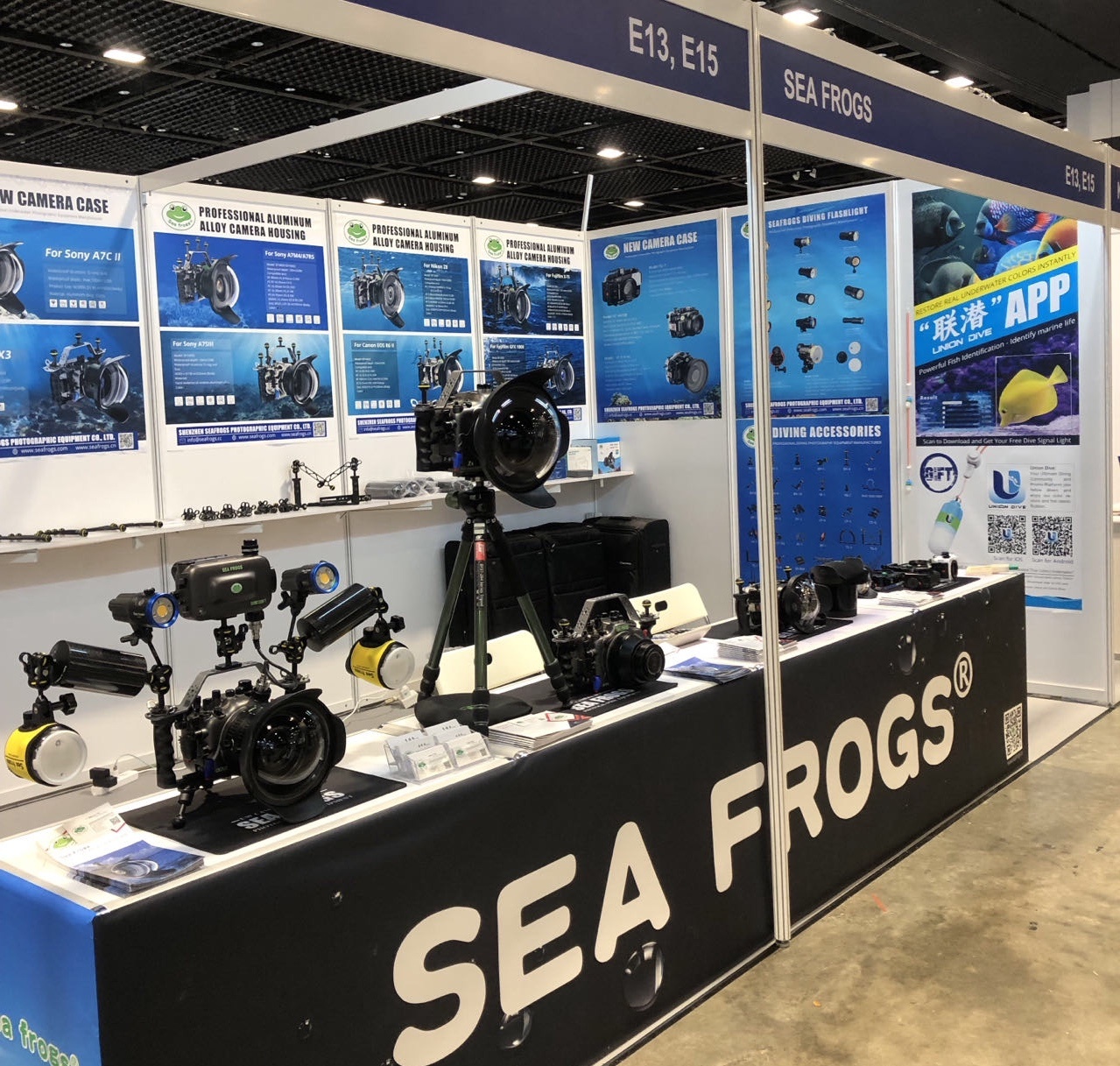
April 12-14th, 2024
Suntec Singapore Convention & Exhibition Centre
2024/04/12
Copyright © 2024 Shenzhen Seafrogs Photographic Equipment Co., Ltd. All rights reserved.
Powered by 300.cn | SEO |