
Exploring the Best Features of Underwater Strobes for Stunning Photography
2025-01-13 09:20
Exploring the Best Features of Underwater Strobes for Stunning Photography
Table of Contents
- Introduction to Underwater Strobes
- What is an Underwater Strobe?
- The Importance of Lighting in Underwater Photography
- Key Features of Underwater Strobes
- Flash Power and Recycling Time
- Color Temperature and Balance
- Control Options and Settings
- Portability and Build Quality
- How to Choose the Right Underwater Strobe
- Tips for Using Underwater Strobes Effectively
- Common Mistakes to Avoid When Using Underwater Strobes
- Frequently Asked Questions (FAQs)
- Conclusion
Introduction to Underwater Strobes
Underwater photography presents unique challenges, primarily due to the profound effects of water on light. The underwater environment can significantly distort colors and reduce visibility, making high-quality lighting essential. This is where **underwater strobes** come into play. They are specifically designed to enhance and modify the light available for capturing stunning underwater images. In this article, we will delve into the best features of underwater strobes, explore their importance, and provide guidance on how to select and use them effectively.
What is an Underwater Strobe?
An underwater strobe is a type of artificial light source used in underwater photography to illuminate subjects and enhance image quality. Unlike continuous lights, strobes emit brief bursts of light, which can freeze motion and capture details in low-light conditions. They are usually rated by their **guide number**, which indicates the intensity of light they can produce. **Understanding the functionality of underwater strobes** is crucial for any photographer looking to improve their images taken beneath the surface.
The Importance of Lighting in Underwater Photography
Effective lighting is vital in underwater photography for several reasons:
1. **Color Correction**: Water absorbs light differently at various depths, leading to a loss of color, especially reds and yellows. Strobes can help restore these colors, providing more vibrant and true-to-life images.
2. **Depth Perception**: Proper lighting enhances depth and texture, allowing for a three-dimensional feel in photos. Strobes can highlight features, making your images pop.
3. **Motion Freezing**: Strobes can freeze fast-moving subjects, such as fish or divers, ensuring sharp images without blurriness.
By using underwater strobes, photographers can achieve clearer, more colorful, and professional-looking images.
Key Features of Underwater Strobes
When choosing an underwater strobe, certain features are essential to ensure the best possible performance. Here are the key elements to consider:
Flash Power and Recycling Time
The **flash power** of an underwater strobe is measured in guide numbers, which indicate the intensity of the light output. Higher guide numbers result in brighter flashes, allowing you to illuminate subjects even from a distance. Additionally, the **recycling time**—the duration it takes for the strobe to prepare for the next shot—also matters. A shorter recycling time ensures you won’t miss critical moments, especially in fast-paced underwater environments.
Color Temperature and Balance
Color temperature is crucial for achieving accurate colors in your photographs. Most underwater strobes have a color temperature close to daylight (around 5500K), which helps restore the natural hues affected by water. Look for strobes that offer **adjustable color balance** features, as these allow you to fine-tune the lighting to match your environment and the specific colors of your subject.
Control Options and Settings
User-friendly control options can significantly enhance your underwater photography experience. Many modern strobes come with **manual and automatic settings**, allowing you to adjust the intensity of the light based on your needs. Some advanced models even offer TTL (Through The Lens) metering, which automatically adjusts the strobe output based on the camera’s exposure settings. This feature is particularly useful for beginners who may not yet have mastered manual adjustments.
Portability and Build Quality
When selecting an underwater strobe, consider its **portability** and **build quality**. The strobe should be lightweight and compact for easy transport, especially if you plan on diving at various locations. Additionally, ensure the strobe is constructed from durable materials that can withstand the harsh underwater environment, including pressure, corrosion from saltwater, and potential impact damage.
How to Choose the Right Underwater Strobe
Choosing the right underwater strobe involves evaluating your specific needs and photography style. Here are some tips to simplify your decision-making process:
1. **Assess Your Skill Level**: Beginners may benefit from strobes with TTL capabilities and automatic settings, while experienced photographers might prefer manual control for greater creative flexibility.
2. **Consider Your Budget**: Underwater strobes can vary significantly in price. It’s essential to find a balance between quality features and your budget. Investing in a reputable brand can ensure longevity and performance.
3. **Think About Your Diving Style**: If you’re a frequent diver, consider a strobe that is lightweight and easy to pack. If you focus on macro photography, look for strobes that excel in close-range lighting.
4. **Research and Read Reviews**: Before making a purchase, read reviews from experienced underwater photographers to get insights into performance, reliability, and customer satisfaction.
Tips for Using Underwater Strobes Effectively
To maximize the benefits of your underwater strobe, keep these tips in mind:
1. **Positioning**: Place your strobe at an angle to avoid backscatter—the unwanted reflection of light off particles in the water. Experiment with different angles to find the perfect position for your subject.
2. **Distance Matters**: Maintain an appropriate distance between the strobe and your subject. Too close can create harsh shadows and overexposure, while too far can result in insufficient illumination.
3. **Use a Red Filter**: If you’re shooting in shallow waters, a red filter can help enhance colors and reduce the need for extensive strobe use. This can also provide a more natural-looking photograph.
4. **Practice Exposure Settings**: Utilize your camera’s manual settings to control exposure, ISO, and aperture, adjusting them as needed based on your strobe settings and underwater conditions.
5. **Experiment with Different Modes**: Don’t hesitate to try various modes and settings on your strobe. Each environment and subject may require different approaches for the best results.
Common Mistakes to Avoid When Using Underwater Strobes
Even experienced photographers can fall into certain pitfalls when using underwater strobes. Here are some common mistakes to watch out for:
1. **Overusing the Strobe**: Relying too heavily on the strobe can wash out colors and create unnatural highlights. Use it judiciously, especially in well-lit conditions.
2. **Ignoring the Background**: A well-lit subject against a dark background is key to stunning underwater photography. Make sure your background is also considered when framing your shots.
3. **Not Testing Before the Dive**: Always check the functionality of your strobe before heading underwater. A malfunctioning strobe can be disappointing when you’re ready to capture amazing moments.
4. **Neglecting Maintenance**: After every dive, rinse your strobe in fresh water and dry it properly. Maintaining your equipment is essential for longevity and performance.
Frequently Asked Questions (FAQs)
1. Can I use a regular strobe for underwater photography?
No, regular strobes are not designed for underwater use and can be damaged by water. It's crucial to invest in a strobe specifically designed for underwater photography.
2. How deep can underwater strobes be used?
Most underwater strobes are designed to be used at various depths, typically up to 100 meters or more. Always check the manufacturer's specifications for depth ratings.
3. Do I need more than one strobe for underwater photography?
While one strobe is sufficient for most situations, using two can significantly enhance your lighting options, providing more even illumination and reducing shadows.
4. What is the best way to position my strobe underwater?
Position your strobe at an angle and slightly above the subject to minimize backscatter and create flattering light. Experiment with different angles to see what works best for your subject.
5. How do I care for my underwater strobe?
Care for your strobe by rinsing it in fresh water after each use, checking O-rings for damage, and storing it in a dry place. Regular maintenance ensures its longevity and optimal performance.
Conclusion
Underwater strobes are invaluable tools for enhancing your underwater photography, allowing you to capture stunning images despite the challenging conditions beneath the waves. By understanding the best features of underwater strobes and how to use them effectively, you can elevate your photography to new heights. Whether you are a beginner or an experienced diver, choosing the right strobe and employing the tips outlined in this guide will help you create breathtaking images that capture the beauty of the underwater world. Dive in, experiment, and let your creativity flow!
MORE NEWS
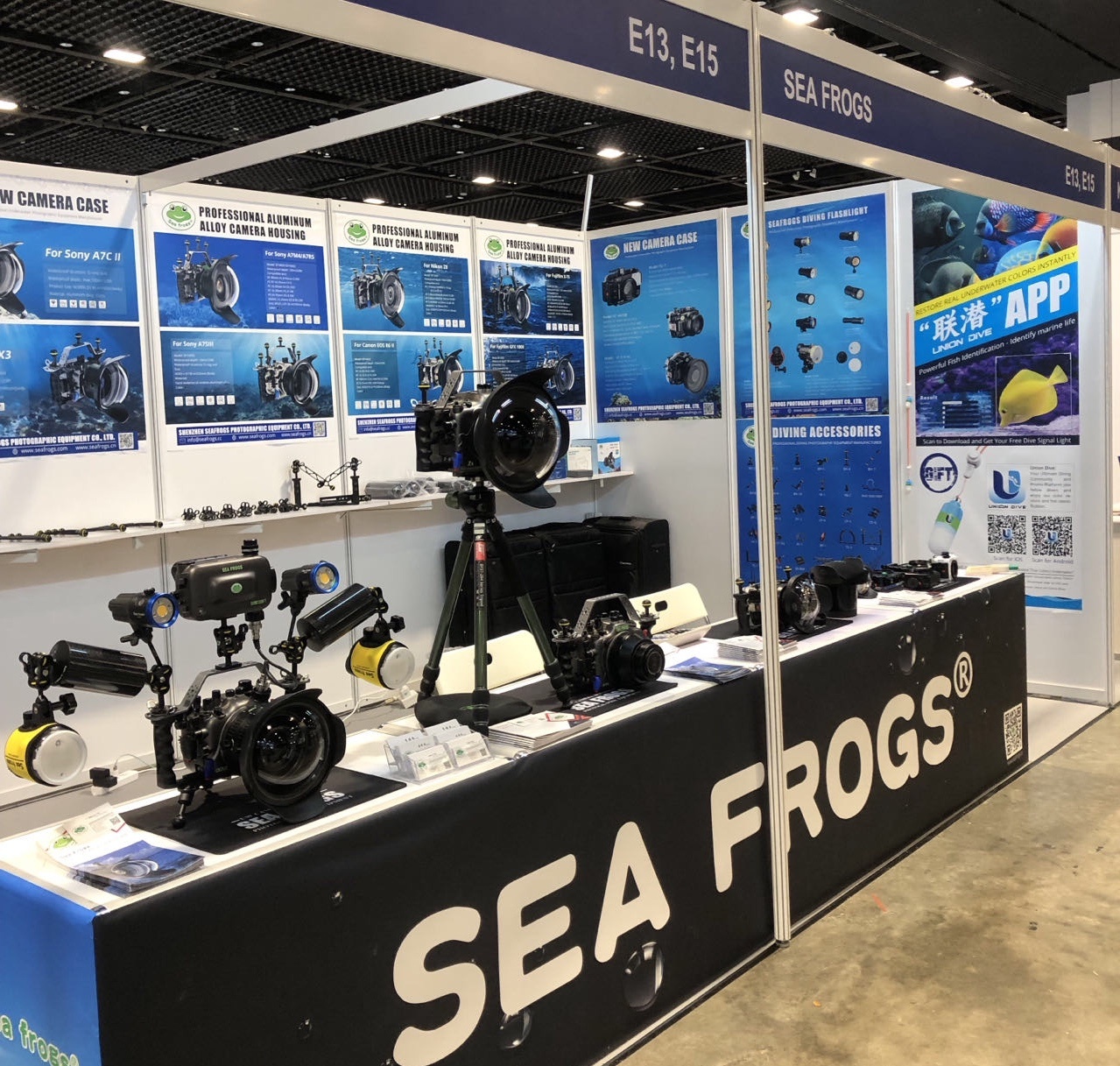
April 12-14th, 2024
Suntec Singapore Convention & Exhibition Centre
2024/04/12

Copyright © 2024 Shenzhen Seafrogs Photographic Equipment Co., Ltd. All rights reserved.
Powered by 300.cn | SEO |