
Maximize Your Underwater Adventures: The Essential Guide to Scuba Diving Flashlights
2025-01-01 09:40
When embarking on a scuba diving adventure, one essential piece of equipment you shouldn't overlook is a reliable scuba diving flashlight. Not only does it illuminate dark underwater environments, but it also enhances your overall diving experience. This article will explore the key features and benefits of scuba diving flashlights, helping you make informed decisions for your next underwater excursion.
First and foremost, a quality scuba diving flashlight improves visibility in low-light conditions, such as deep dives or murky waters. Underwater, natural light diminishes significantly, especially as you descend. A good flashlight will enable you to see marine life, underwater structures, and potential hazards clearly. This visibility is crucial for both enjoyment and safety.
When selecting a scuba diving flashlight, consider factors such as brightness, beam distance, and battery life. The brightness of a flashlight is measured in lumens; for diving, a flashlight with at least 200 lumens is recommended for adequate illumination. Moreover, beam distance is essential for spotting objects in the distance. A flashlight with a focused beam can help you identify marine life far away, while a wider beam provides broader illumination for exploring larger areas.
Another vital feature is durability. Since scuba diving flashlights are often exposed to harsh conditions, look for models made from sturdy materials such as aluminum or high-grade plastic. Additionally, ensure that the flashlight is rated for underwater use and is waterproof to the specified depth. An O-ring seal is a common feature that helps prevent water entry, protecting the internal components of the flashlight.
Battery life is also a significant consideration. Many scuba diving flashlights use rechargeable lithium-ion batteries, providing longer usage times and consistent brightness. Check the runtime specifications to ensure the flashlight will last for the duration of your dive. High-capacity batteries are preferable, especially for extended dives.
For optimum safety, always carry a backup flashlight. Having a secondary source of light can be vital in emergency situations or if your primary flashlight fails. It is also wise to familiarize yourself with the operation of the flashlight before your dive. Practice turning it on and off, changing brightness settings, and understanding how to replace batteries underwater if necessary.
In conclusion, a scuba diving flashlight is an indispensable tool for enhancing your underwater explorations. By choosing a flashlight with suitable brightness, durability, and battery life, you will ensure a safer and more enjoyable diving experience. Always prioritize safety by carrying a backup light and practicing its use before you dive. With the right flashlight, you can uncover the amazing wonders of the underwater world with confidence.
First and foremost, a quality scuba diving flashlight improves visibility in low-light conditions, such as deep dives or murky waters. Underwater, natural light diminishes significantly, especially as you descend. A good flashlight will enable you to see marine life, underwater structures, and potential hazards clearly. This visibility is crucial for both enjoyment and safety.
When selecting a scuba diving flashlight, consider factors such as brightness, beam distance, and battery life. The brightness of a flashlight is measured in lumens; for diving, a flashlight with at least 200 lumens is recommended for adequate illumination. Moreover, beam distance is essential for spotting objects in the distance. A flashlight with a focused beam can help you identify marine life far away, while a wider beam provides broader illumination for exploring larger areas.
Another vital feature is durability. Since scuba diving flashlights are often exposed to harsh conditions, look for models made from sturdy materials such as aluminum or high-grade plastic. Additionally, ensure that the flashlight is rated for underwater use and is waterproof to the specified depth. An O-ring seal is a common feature that helps prevent water entry, protecting the internal components of the flashlight.
Battery life is also a significant consideration. Many scuba diving flashlights use rechargeable lithium-ion batteries, providing longer usage times and consistent brightness. Check the runtime specifications to ensure the flashlight will last for the duration of your dive. High-capacity batteries are preferable, especially for extended dives.
For optimum safety, always carry a backup flashlight. Having a secondary source of light can be vital in emergency situations or if your primary flashlight fails. It is also wise to familiarize yourself with the operation of the flashlight before your dive. Practice turning it on and off, changing brightness settings, and understanding how to replace batteries underwater if necessary.
In conclusion, a scuba diving flashlight is an indispensable tool for enhancing your underwater explorations. By choosing a flashlight with suitable brightness, durability, and battery life, you will ensure a safer and more enjoyable diving experience. Always prioritize safety by carrying a backup light and practicing its use before you dive. With the right flashlight, you can uncover the amazing wonders of the underwater world with confidence.
MORE NEWS
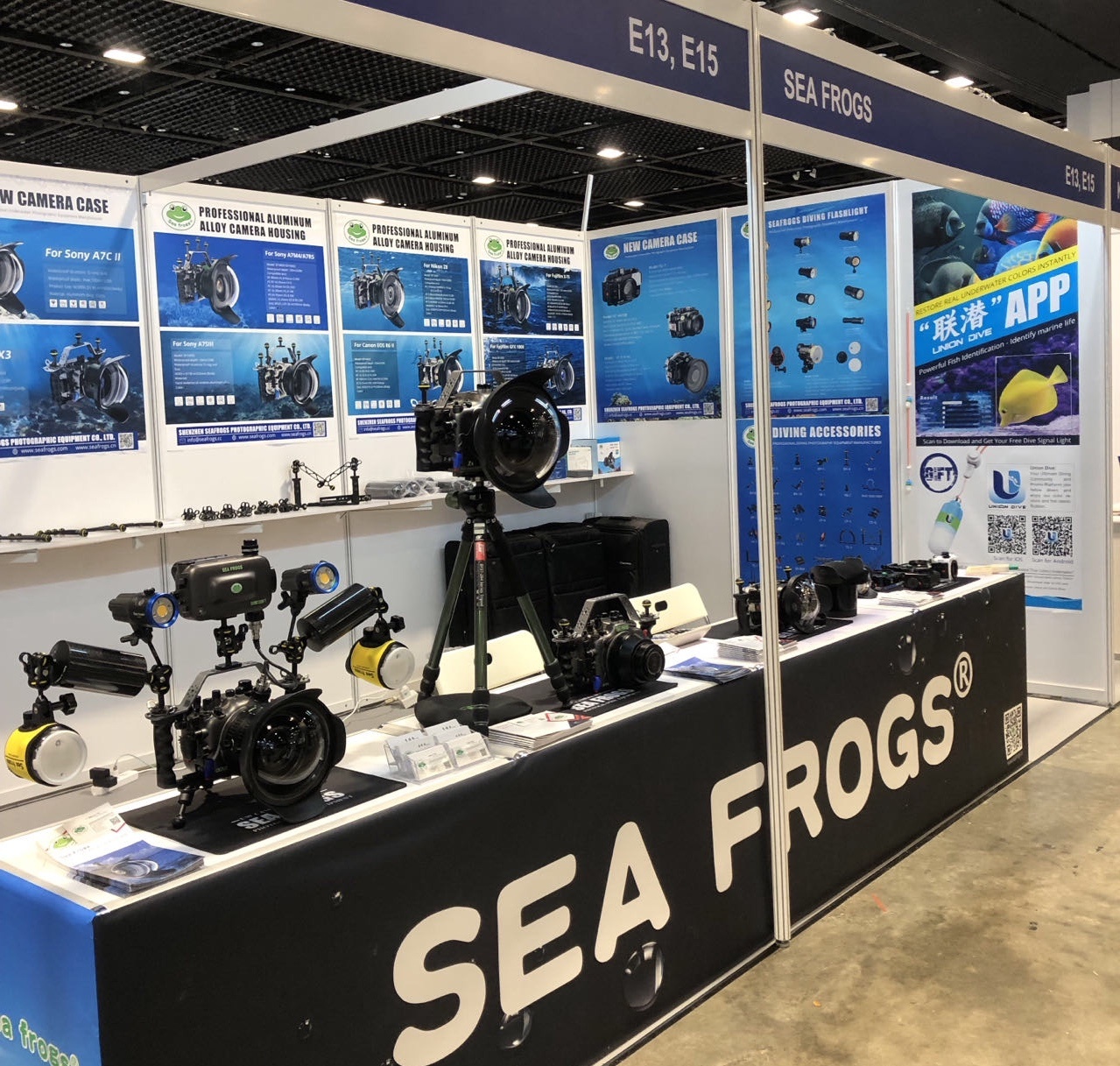
April 12-14th, 2024
Suntec Singapore Convention & Exhibition Centre
2024/04/12


Copyright © 2024 Shenzhen Seafrogs Photographic Equipment Co., Ltd. All rights reserved.
Powered by 300.cn | SEO |