
Essential Guide to Choosing Waterproof Camera Cases for Scuba Diving
2024-12-13 13:40
When it comes to scuba diving, capturing the mesmerizing underwater world is a thrilling experience, and a reliable waterproof camera case is essential for safeguarding your camera. Choosing the right case can make a significant difference in both the quality of your photos and the safety of your equipment. Here, we’ll cover important factors to consider when selecting waterproof camera cases for scuba diving.
First and foremost, assess the depth rating of the case. Different waterproof camera cases come with varying depth limits. If you plan to dive deep, ensure your case can withstand the pressures associated with those depths. Most cases are rated for specific depths, which helps to prevent water from seeping in during your dive. Look for cases that exceed your intended diving depth for an added safety margin.
Another key consideration is the material of the case. Waterproof camera cases are typically made from polycarbonate, silicone, or other durable materials that provide both protection and buoyancy. A lightweight case can make a significant difference when carrying your gear. Additionally, ensure that the case is designed to resist scratches and abrasions, which can occur easily in underwater environments.
Compatibility with your camera model is crucial. Not all cases fit every camera perfectly. Make sure to check the case specifications to confirm compatibility with your camera model. A snug fit not only protects your camera from water but also minimizes movement that can lead to blurry photos or unwanted damage.
Ease of use is another factor to keep in mind. Look for cases that offer easy access to camera controls and buttons. Some designs may feature intuitive controls that allow you to change settings without removing the camera from the case. This can be particularly helpful when dealing with varying light conditions underwater.
Consider the additional features that can enhance your diving experience. Some waterproof camera cases come with built-in ports for external lighting or filters, which can significantly improve your underwater photography. Others may include wrist straps or floatation devices to prevent the case from sinking in case it slips from your grip.
Lastly, think about the overall weight and size of the case. Since scuba diving involves carrying multiple pieces of gear, a compact and lightweight case can make your experience more enjoyable. It’s important to balance protection with portability, ensuring that your camera is secure without adding unnecessary bulk.
In summary, selecting the right waterproof camera case for scuba diving involves considering depth ratings, materials, compatibility, ease of use, and additional features. By keeping these factors in mind, you’ll be well-equipped to capture stunning underwater images while ensuring the safety of your camera gear. Dive into your underwater adventures confidently with a case that meets your needs.
First and foremost, assess the depth rating of the case. Different waterproof camera cases come with varying depth limits. If you plan to dive deep, ensure your case can withstand the pressures associated with those depths. Most cases are rated for specific depths, which helps to prevent water from seeping in during your dive. Look for cases that exceed your intended diving depth for an added safety margin.
Another key consideration is the material of the case. Waterproof camera cases are typically made from polycarbonate, silicone, or other durable materials that provide both protection and buoyancy. A lightweight case can make a significant difference when carrying your gear. Additionally, ensure that the case is designed to resist scratches and abrasions, which can occur easily in underwater environments.
Compatibility with your camera model is crucial. Not all cases fit every camera perfectly. Make sure to check the case specifications to confirm compatibility with your camera model. A snug fit not only protects your camera from water but also minimizes movement that can lead to blurry photos or unwanted damage.
Ease of use is another factor to keep in mind. Look for cases that offer easy access to camera controls and buttons. Some designs may feature intuitive controls that allow you to change settings without removing the camera from the case. This can be particularly helpful when dealing with varying light conditions underwater.
Consider the additional features that can enhance your diving experience. Some waterproof camera cases come with built-in ports for external lighting or filters, which can significantly improve your underwater photography. Others may include wrist straps or floatation devices to prevent the case from sinking in case it slips from your grip.
Lastly, think about the overall weight and size of the case. Since scuba diving involves carrying multiple pieces of gear, a compact and lightweight case can make your experience more enjoyable. It’s important to balance protection with portability, ensuring that your camera is secure without adding unnecessary bulk.
In summary, selecting the right waterproof camera case for scuba diving involves considering depth ratings, materials, compatibility, ease of use, and additional features. By keeping these factors in mind, you’ll be well-equipped to capture stunning underwater images while ensuring the safety of your camera gear. Dive into your underwater adventures confidently with a case that meets your needs.
MORE NEWS
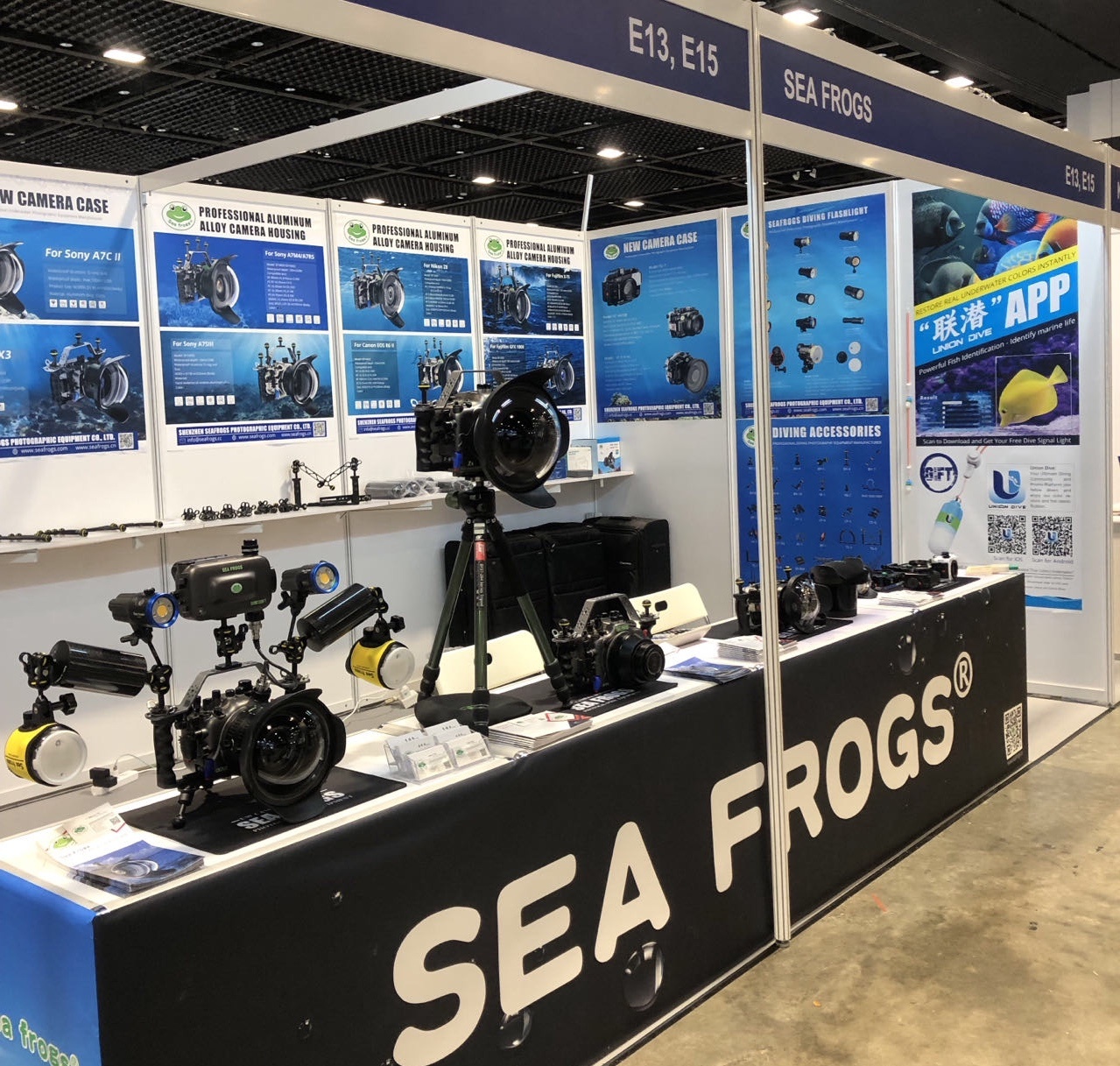
April 12-14th, 2024
Suntec Singapore Convention & Exhibition Centre
2024/04/12


Copyright © 2024 Shenzhen Seafrogs Photographic Equipment Co., Ltd. All rights reserved.
Powered by 300.cn | SEO |