
Enhance Your Underwater Shots: Choosing the Right Camera Strobe Arms
2024-12-08 13:00
Enhance Your Underwater Shots: Choosing the Right Camera Strobe Arms
Table of Contents
1. Understanding the Importance of Strobe Arms in Underwater Photography
2. Key Features to Look for in Strobe Arms
2.1 Material and Build Quality
2.2 Flexibility and Adjustability
2.3 Weight and Buoyancy
3. Types of Strobe Arms Available
3.1 Single-Arm Strobe Systems
3.2 Dual-Arm Strobe Systems
3.3 Articulated and Flexible Arm Designs
4. Popular Brands and Models of Strobe Arms
5. Step-by-Step Guide to Setting Up Your Strobe Arms
6. Best Practices for Using Strobe Arms Underwater
6.1 Positioning Your Strobes
6.2 Managing Light Exposure
6.3 Avoiding Backscatter
7. Frequently Asked Questions (FAQs)
8. Conclusion
1. Understanding the Importance of Strobe Arms in Underwater Photography
Underwater photography presents unique challenges, particularly when it comes to lighting. Natural light diminishes rapidly with depth, leading to dull colors and insufficient illumination. This is where **camera strobe arms** come into play. Strobe arms support the strobe or flash units, allowing photographers to control the angle and distance of the light source from the subject. The right strobe arms can dramatically enhance the quality of your underwater images by providing the necessary light to reveal vibrant colors and intricate details.
2. Key Features to Look for in Strobe Arms
When selecting strobe arms, several critical features should be considered to ensure optimal performance and versatility.
2.1 Material and Build Quality
Durability is paramount in underwater environments. Strobe arms are typically made from materials such as aluminum, plastic, or carbon fiber. Aluminum is favored for its strength and resistance to corrosion, while plastic can be lightweight and cost-effective. Carbon fiber offers an excellent strength-to-weight ratio but can be more expensive. Choose arms constructed from high-quality materials to withstand the rigors of diving.
2.2 Flexibility and Adjustability
Flexibility is essential in underwater photography, allowing you to adjust the strobe’s position easily. Look for arms that feature multiple joints or ball-and-socket connectors. This adjustability enables you to position your strobe at various angles, helping to illuminate the subject effectively while reducing harsh shadows.
2.3 Weight and Buoyancy
The weight of your strobe arms can affect your overall buoyancy underwater. Lightweight materials are preferable to avoid added strain during diving and to maintain neutral buoyancy. However, ensure that the arms are heavy enough to support the strobe securely without risking instability.
3. Types of Strobe Arms Available
Understanding the different types of strobe arms available can help you make an informed decision based on your specific needs.
3.1 Single-Arm Strobe Systems
Single-arm systems are straightforward and ideal for photographers who require basic lighting support. They are generally more compact and easier to manage, making them suitable for beginners or those who prefer a minimalist approach.
3.2 Dual-Arm Strobe Systems
Dual-arm systems provide greater versatility and control over lighting. They allow for more intricate positioning of the strobe, which can be essential for subjects requiring multiple light sources or for reducing shadows in complex underwater environments.
3.3 Articulated and Flexible Arm Designs
Articulated arms feature flexible segments, which allow for a high degree of positioning freedom. These arms can bend and twist, making them perfect for capturing subjects from unique angles and achieving creative lighting effects.
4. Popular Brands and Models of Strobe Arms
Choosing the right brand can influence the quality of your underwater photography equipment. Some reputable brands include:
- **Ikelite**: Known for robust and reliable strobe arms that cater to both beginners and professionals.
- **Sea & Sea**: Offers a variety of strobe arm systems with excellent ergonomics and ease of use.
- **Housing**: Specializes in lightweight and flexible arms that adapt easily to different strobe models.
Researching specific models based on user reviews and expert recommendations can provide insight into the best options for your needs.
5. Step-by-Step Guide to Setting Up Your Strobe Arms
Setting up your strobe arms correctly is crucial for achieving optimal lighting in your shots. Follow these steps:
1. **Attach Strobe to Arm**: Secure the strobe light to the strobe arm using the designated mounts. Ensure a tight fit to prevent any movement during your dive.
2. **Connect to Camera Housing**: Carefully attach the strobe arm to your underwater camera housing. Make sure it is firmly in place and accessible for adjustments.
3. **Adjust Length and Angle**: Adjust the length of the arm according to your subject’s distance. Experiment with angles to find the best lighting effect for your shot.
4. **Test Setup**: Conduct a test shot before diving to ensure the lighting is sufficient and that the strobe is functioning correctly.
6. Best Practices for Using Strobe Arms Underwater
Maximizing the potential of your strobe arms involves understanding best practices that can enhance your underwater photography.
6.1 Positioning Your Strobes
Proper positioning of your strobes is essential. Ideally, they should be placed at a 45-degree angle to your subject, ensuring even light distribution and minimizing harsh shadows. Experiment with distances to achieve the desired effect.
6.2 Managing Light Exposure
Monitor your camera settings and adjust the strobe output accordingly. Balancing ambient light with strobe light can prevent overexposure and maintain the natural look of underwater scenes.
6.3 Avoiding Backscatter
Backscatter occurs when light from your strobe bounces off particles in the water, leading to unwanted specks in your images. To minimize this, keep your strobes as far away from the camera lens as possible, and consider using a snoot to focus light on your subject.
7. Frequently Asked Questions (FAQs)
What is the role of strobe arms in underwater photography?
Strobe arms hold the strobe lights, allowing photographers to position the lighting effectively to illuminate subjects and enhance image quality.
How do I choose the right length for my strobe arms?
The length of the strobe arms depends on how far you typically shoot from your subjects. Longer arms provide more versatility, while shorter arms can be easier to manage.
Can I use strobe arms with any camera housing?
Most strobe arms are compatible with various camera housings, but it’s essential to verify compatibility before purchasing to ensure a secure fit.
What is the best material for strobe arms?
Aluminum is often considered the best material due to its strength and resistance to corrosion. However, plastic and carbon fiber can also be suitable depending on your budget and needs.
How do I prevent light spill when using strobe arms?
Adjust the position of the strobes to minimize light spill and use diffusers or snoots to control the spread of light, focusing it on your subject.
8. Conclusion
Selecting the right camera strobe arms is a crucial step in enhancing your underwater photography. By understanding the importance of strobe arms, the features to consider, and the various types available, you can make an informed choice that greatly improves your shooting experience. Remember to experiment with positioning, exposure management, and best practices to achieve stunning underwater shots that showcase the vibrant beauty of marine life. With the right equipment and techniques, you will be well on your way to capturing breathtaking images that leave a lasting impression.
MORE NEWS
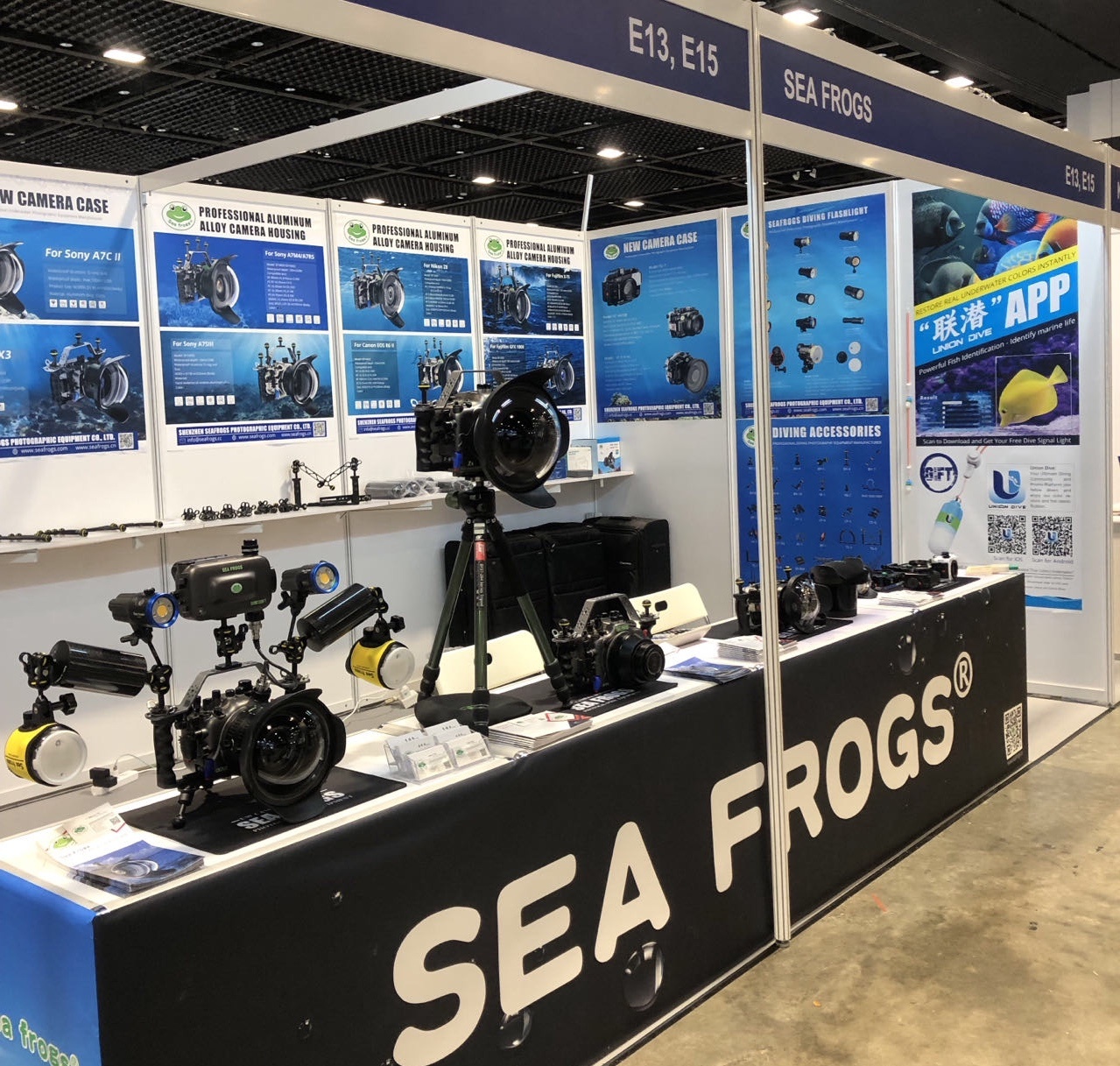
April 12-14th, 2024
Suntec Singapore Convention & Exhibition Centre
2024/04/12
Copyright © 2024 Shenzhen Seafrogs Photographic Equipment Co., Ltd. All rights reserved.
Powered by 300.cn | SEO |