
Underwater Photography Gear: Why You Need a Canon Housing
2024-12-06 13:00
Understanding Underwater Photography Gear: The Essential Canon Housing
The Allure of Underwater Photography
Underwater photography is a captivating art form that allows photographers to explore and document the beauty of aquatic ecosystems. The underwater realm presents unique challenges, such as light absorption and pressure, making specialized gear essential. Canon housings specifically designed for underwater photography offer robust protection and functionality, enabling photographers to capture breathtaking images beneath the waves.
Why Choose Canon for Underwater Photography?
Reputation for Quality and Innovation
Canon has established itself as a leader in the photography industry, renowned for its high-quality cameras and lenses. The brand’s commitment to innovation ensures that its products consistently meet the evolving needs of photographers. Canon housings are designed to seamlessly integrate with their cameras, providing users with an exceptional underwater photography experience.
Compatibility with Various Canon Models
One significant advantage of Canon housings is their compatibility with a wide range of Canon camera models. Whether you own a compact point-and-shoot or a professional DSLR, there’s a suitable housing available. This versatility allows photographers to choose the best camera for their underwater needs without compromising on quality.
The Benefits of Using Canon Housing for Underwater Photography
Durability and Protection
One of the primary reasons to invest in Canon housing is the robust protection it offers. Made from high-quality materials, these housings are designed to withstand the harsh conditions of underwater environments. They provide a barrier against water, sand, and pressure, ensuring that your camera remains safe during dives.
Enhanced Control and Functionality
Using a Canon housing specifically designed for underwater photography comes with added benefits such as improved control over your camera settings. Most housings feature buttons and controls that replicate those on your camera, allowing for easy adjustments while submerged. This accessibility is crucial for capturing the perfect shot in dynamic underwater settings.
Image Quality and Performance
Canon cameras are known for their exceptional image quality, and their housings ensure that you can maintain this quality underwater. By utilizing a Canon housing, you can capture vivid colors, sharp details, and stunning underwater scenes without sacrificing image integrity. The combination of Canon’s advanced technology with purpose-built housings results in outstanding photographic performance.
Key Features to Consider When Choosing a Canon Housing
Material and Build Quality
When selecting a Canon housing, consider the materials used in its construction. High-quality housings are typically made from polycarbonate or aluminum, offering durability and resistance to corrosion. Ensure that the housing is rated for the depth you plan to dive, as this will affect its performance and longevity.
Port Compatibility
Different underwater photography scenarios may require specific ports for your camera lens. Many Canon housings come with interchangeable ports, allowing you to adapt to various shooting situations, whether you’re capturing wide-angle shots or close-ups of marine life.
Ergonomics and Weight
Underwater photography often involves extended periods of holding your camera, making ergonomics a crucial factor. Look for housings with comfortable grips and controls that are easy to use. Additionally, consider the weight of the housing as a lighter option can reduce fatigue during longer dives.
How to Maximize Your Canon Housing Experience
Understanding Underwater Lighting Conditions
Underwater lighting varies significantly compared to shooting on land. As you descend, the spectrum of light changes, with reds disappearing first, followed by oranges and yellows. To counteract this, consider using external strobes or video lights to enhance color saturation and illuminate your subject effectively.
Practicing Proper Maintenance and Care
To ensure the longevity of your Canon housing, regular maintenance is essential. After each dive, rinse the housing with fresh water to remove salt or sand particles. Check the O-rings for any signs of wear or damage, and always maintain them with silicone grease to ensure a watertight seal.
Experimenting with Settings
Different underwater conditions may require adjustments to your camera settings. Familiarize yourself with your Canon camera’s settings, including ISO, shutter speed, and aperture. Experimenting with these settings will help you capture the desired effect in various underwater environments.
Tips for Capturing Stunning Underwater Photos
Finding the Right Composition
Composition is key in photography, and underwater scenes are no exception. Look for leading lines, natural frames, and interesting subjects to create compelling images. Consider the rule of thirds to help guide your composition, ensuring that your subject stands out against the underwater backdrop.
Utilizing Natural Light to Your Advantage
While an external flash is beneficial, natural light can also create stunning underwater images. Plan your dives during the day when there’s ample sunlight. Position yourself to take advantage of the available light, and consider shooting upward toward the surface for dramatic sunburst effects.
Patience and Observation
Underwater photography often requires patience. Marine life can be elusive, and it may take time to observe and photograph them in their natural habitats. Spend time acclimating to the environment and wait for the perfect moment to capture that stunning shot.
Frequently Asked Questions (FAQs)
1. What type of Canon housing should I choose for my camera?
When selecting a Canon housing, consider the model of your camera, the type of diving you plan to do, and the specific features you require, such as port compatibility and build material.
2. How deep can I dive with a Canon housing?
The depth rating of your Canon housing will vary based on the model. Most housings are rated for depths between 40 meters (130 feet) and 100 meters (330 feet). Always check the specifications of your housing.
3. Do I need special filters for underwater photography?
While not mandatory, filters can enhance your underwater images by compensating for the loss of color due to water absorption. Red filters are popular for restoring warmth, especially when shooting at depths beyond 10 meters.
4. Can I use my Canon housing for snorkeling?
Yes, Canon housings can be used for snorkeling. However, ensure that the housing is rated for the conditions you’ll encounter, and always follow safety protocols.
5. Is it essential to use a tripod for underwater photography?
Using a tripod can be beneficial for stability and sharpness, particularly in low-light conditions. However, many underwater photographers prefer to shoot handheld to capture spontaneous moments.
Conclusion
Investing in the right underwater photography gear, particularly a **Canon housing**, is a crucial step for anyone serious about capturing the captivating beauty of underwater environments. With their reputation for quality, enhanced functionality, and robust protection, Canon housings provide photographers with the tools they need to succeed beneath the waves. By understanding the features and benefits of Canon housings and employing effective techniques, you can elevate your underwater photography to new heights. Whether you're documenting marine life or exploring vibrant coral reefs, the right equipment and knowledge can transform your underwater experiences into stunning visual stories. Dive in and let your creativity flourish with Canon’s exceptional underwater photography solutions.
MORE NEWS
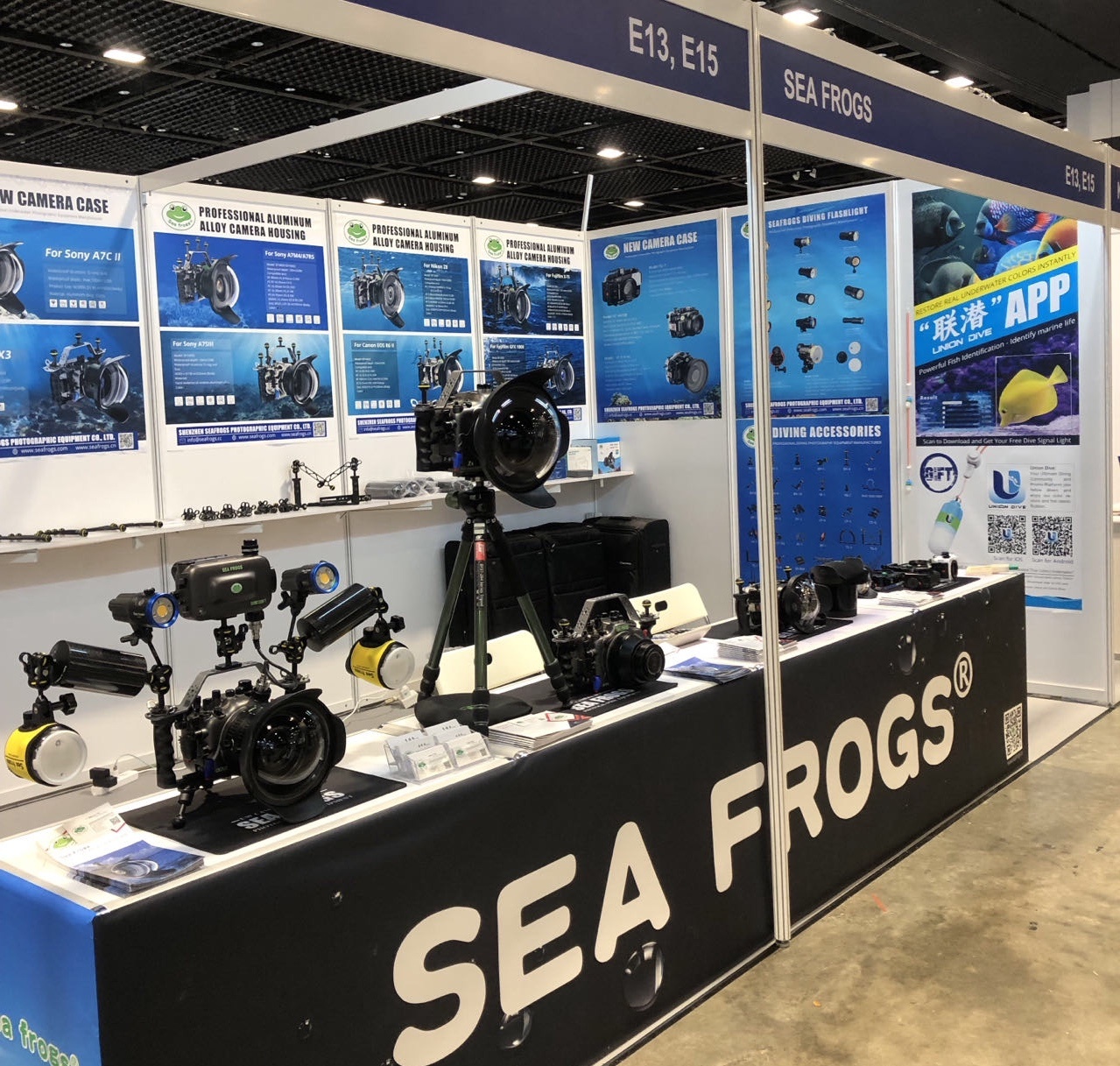
April 12-14th, 2024
Suntec Singapore Convention & Exhibition Centre
2024/04/12
Copyright © 2024 Shenzhen Seafrogs Photographic Equipment Co., Ltd. All rights reserved.
Powered by 300.cn | SEO |