
Essential Guide to Choosing Waterproof Camera Cases for Scuba Diving
2024-12-03 15:00
When it comes to scuba diving, capturing the breathtaking beauty of the underwater world is a priority for many divers. This is where waterproof camera cases come into play. These cases not only protect your camera from water damage but also enhance your ability to take stunning photos and videos while submerged. In this guide, we will delve into the essential features and considerations for selecting the right waterproof camera case for your scuba diving excursions.
**Understanding Waterproof Ratings**
Before purchasing a waterproof camera case, it is crucial to understand the waterproof rating system. Most cases are rated based on their depth capability, often measured in meters. For scuba diving, you’ll want a case that is rated for at least 30 meters (approximately 100 feet) to ensure it can withstand the pressure of deeper dives. Always ensure that the case you choose is designed specifically for underwater use to avoid potential leaks and damage.
**Material and Durability**
The material of the waterproof camera case plays a significant role in its performance. Look for cases made from high-quality, durable materials such as polycarbonate or silicone, which can withstand harsh underwater conditions. Additionally, the case should have a secure locking mechanism to prevent accidental openings at depth. A well-constructed case will not only protect your camera from water but also from sand, dust, and impact.
**Compatibility and Design**
Another essential aspect to consider is compatibility. Ensure that the waterproof camera case is specifically designed for your camera model, allowing access to all controls and features. Many cases come with ergonomic designs that make it easy to operate your camera while in the water. Also, consider the case's weight and bulk, as a lighter case can improve your maneuverability while diving.
**Lens and Filters**
To enhance your underwater photography, look for waterproof camera cases that allow for external lenses and filters. Underwater conditions can often distort colors, particularly reds and blues. Using a red filter can help counteract this effect, providing more vibrant and true-to-life colors in your photos. Some cases also accommodate wide-angle lenses, which are beneficial for capturing expansive underwater landscapes.
**User Reviews and Recommendations**
Lastly, before making a decision, it is advisable to read user reviews and seek recommendations from fellow divers. Their experiences can provide valuable insights into the performance and reliability of specific waterproof camera cases for scuba diving. Engaging with the diving community can also lead to discovering innovative accessories and techniques to enhance your underwater photography further.
In conclusion, selecting the right waterproof camera case for scuba diving involves careful consideration of waterproof ratings, material durability, compatibility, and additional features like lens options. By making an informed choice, you can ensure that your camera remains protected while you capture stunning images of the underwater world. Happy diving!
**Understanding Waterproof Ratings**
Before purchasing a waterproof camera case, it is crucial to understand the waterproof rating system. Most cases are rated based on their depth capability, often measured in meters. For scuba diving, you’ll want a case that is rated for at least 30 meters (approximately 100 feet) to ensure it can withstand the pressure of deeper dives. Always ensure that the case you choose is designed specifically for underwater use to avoid potential leaks and damage.
**Material and Durability**
The material of the waterproof camera case plays a significant role in its performance. Look for cases made from high-quality, durable materials such as polycarbonate or silicone, which can withstand harsh underwater conditions. Additionally, the case should have a secure locking mechanism to prevent accidental openings at depth. A well-constructed case will not only protect your camera from water but also from sand, dust, and impact.
**Compatibility and Design**
Another essential aspect to consider is compatibility. Ensure that the waterproof camera case is specifically designed for your camera model, allowing access to all controls and features. Many cases come with ergonomic designs that make it easy to operate your camera while in the water. Also, consider the case's weight and bulk, as a lighter case can improve your maneuverability while diving.
**Lens and Filters**
To enhance your underwater photography, look for waterproof camera cases that allow for external lenses and filters. Underwater conditions can often distort colors, particularly reds and blues. Using a red filter can help counteract this effect, providing more vibrant and true-to-life colors in your photos. Some cases also accommodate wide-angle lenses, which are beneficial for capturing expansive underwater landscapes.
**User Reviews and Recommendations**
Lastly, before making a decision, it is advisable to read user reviews and seek recommendations from fellow divers. Their experiences can provide valuable insights into the performance and reliability of specific waterproof camera cases for scuba diving. Engaging with the diving community can also lead to discovering innovative accessories and techniques to enhance your underwater photography further.
In conclusion, selecting the right waterproof camera case for scuba diving involves careful consideration of waterproof ratings, material durability, compatibility, and additional features like lens options. By making an informed choice, you can ensure that your camera remains protected while you capture stunning images of the underwater world. Happy diving!
MORE NEWS
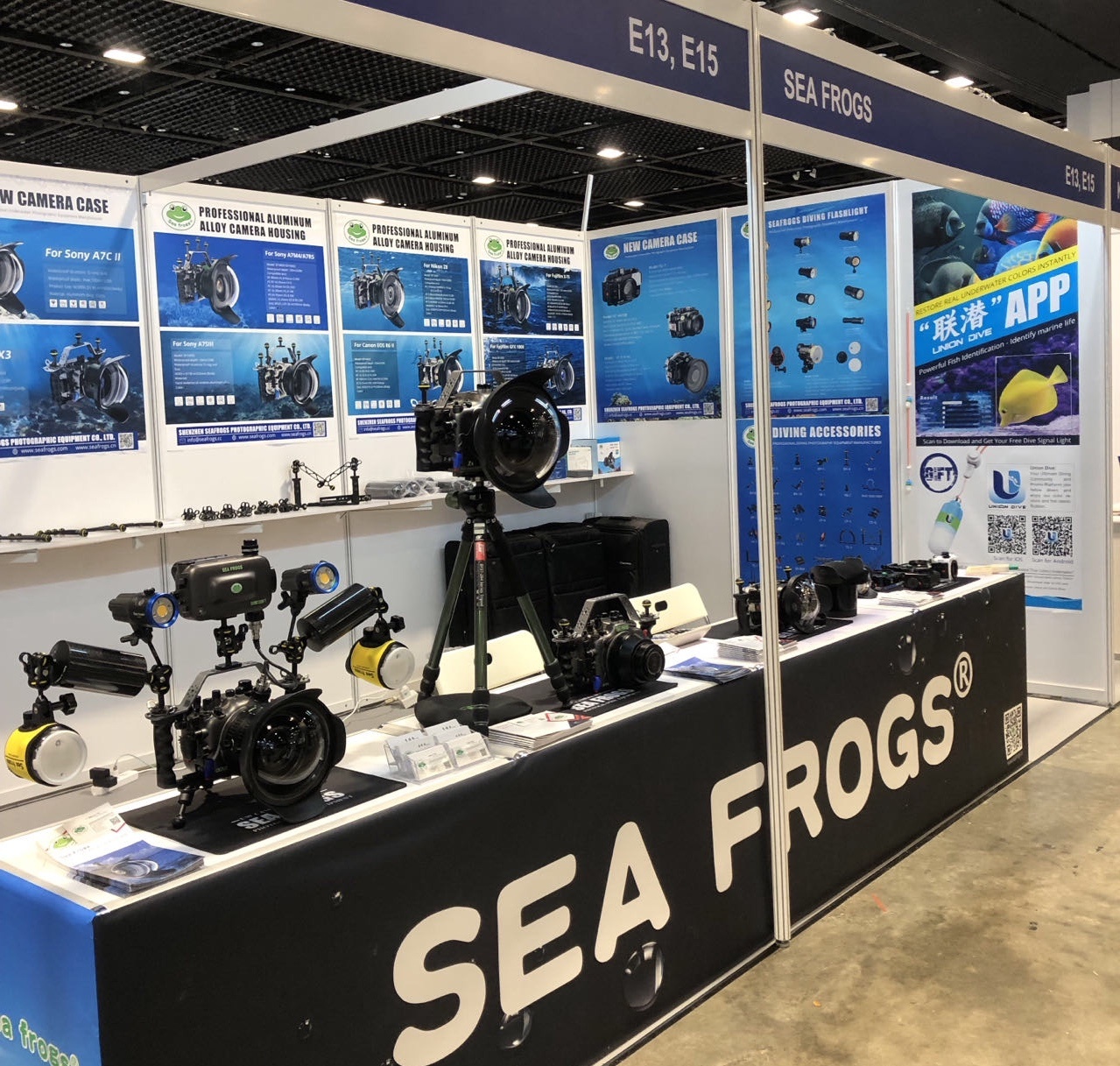
April 12-14th, 2024
Suntec Singapore Convention & Exhibition Centre
2024/04/12


Copyright © 2024 Shenzhen Seafrogs Photographic Equipment Co., Ltd. All rights reserved.
Powered by 300.cn | SEO |