
Unique Challenges in Underwater Photography: Expert Tips for Nikon Users
2024-12-02 12:40
Unique Challenges in Underwater Photography: Expert Tips for Nikon Users
Table of Contents
- Introduction to Underwater Photography
- Understanding the Unique Challenges of Underwater Photography
- Essential Equipment for Underwater Photography with Nikon
- Optimal Camera Settings for Nikon Users
- Composing Stunning Underwater Shots
- The Importance of Lighting in Underwater Photography
- Post-Processing Tips for Underwater Images
- Safety Tips for Underwater Photographers
- Frequently Asked Questions
- Conclusion
Introduction to Underwater Photography
Underwater photography is an exhilarating endeavor that allows us to explore and document the vibrant ecosystems beneath the surface of the water. For Nikon users, embarking on this journey can be both exciting and challenging. The unique underwater environment presents distinct obstacles that require specialized skills, equipment, and knowledge. In this article, we will delve into these challenges and provide practical tips for Nikon enthusiasts aiming to master underwater photography.
Understanding the Unique Challenges of Underwater Photography
Diving into underwater photography introduces various challenges that can significantly impact image quality and composition.
1. Light Absorption and Color Loss
As light travels through water, it undergoes absorption and scattering. This results in the loss of colors, particularly reds and yellows, which vanish quickly. Photographers often find themselves with images that appear blue or green, obscuring the vibrant colors of marine life.
2. Refraction and Distortion
The transition from air to water causes light to bend, leading to refraction. This distortion can affect framing and focus, making it crucial for photographers to understand how to adjust their shooting techniques accordingly.
3. Limited Visibility
Water conditions can vary widely, from crystal clear to murky. Factors such as sediment, plankton, and current can restrict visibility, posing challenges for capturing sharp, detailed images.
4. Equipment Limitations
Using conventional camera gear underwater is not feasible. Photographers must invest in specialized housing for their Nikon cameras, which can increase the equipment's bulk and weight, presenting logistical challenges during dives.
Essential Equipment for Underwater Photography with Nikon
To overcome the challenges of underwater photography, having the right equipment is vital. Here, we outline the essential gear needed for Nikon users.
1. Nikon Camera and Lenses
When choosing a Nikon camera for underwater photography, consider models with robust performance and customizable settings. Popular options include the Nikon D850 and Z series cameras. Pair your camera with appropriate lenses, such as wide-angle or macro lenses, to capture a range of subjects.
2. Underwater Housing
Investing in high-quality underwater housing is crucial for protecting your camera. Look for housings designed specifically for your Nikon model, ensuring they are rated for the depths you plan to explore.
3. Strobes and Lighting Equipment
To counteract the loss of natural light, external strobes can provide necessary illumination. Using multiple strobes positioned at different angles can help reduce backscatter and enhance the colors of your subjects.
4. Floatation Devices
Floatation devices can assist in stabilizing your camera setup underwater, preventing unwanted movement and helping you achieve clear shots.
Optimal Camera Settings for Nikon Users
Getting the right camera settings can make all the difference in achieving stunning underwater images. Here are some recommendations for Nikon users.
1. Shoot in RAW Format
Capturing images in RAW format allows for greater flexibility in post-processing, enabling you to correct colors and exposure.
2. Set the White Balance
Use custom white balance settings to adjust for color loss at different depths. Setting the white balance to underwater modes can help restore the natural colors of your subjects.
3. Adjust ISO Settings
Choose an appropriate ISO setting. A higher ISO can help capture images in low-light conditions, but be wary of introducing noise. Test settings in various water conditions to find the right balance.
4. Utilize Manual Focus
Auto-focus can struggle underwater due to refraction and low visibility. Switching to manual focus allows for more precise control over your shots.
Composing Stunning Underwater Shots
Composition plays a crucial role in underwater photography. Here are some tips to enhance your framing and storytelling.
1. Use Leading Lines
Incorporating natural lines found in the underwater environment, such as reefs or currents, can create dynamic compositions and guide the viewer's eye.
2. Create Depth with Layers
Incorporating foreground, middle ground, and background elements adds depth to the image. Consider including divers or marine life to create a sense of scale.
3. Emphasize the Subject
Isolate your subject against the blue water background for striking images. Use negative space to highlight the subject and draw attention.
4. Capture Movement
Experiment with shutter speeds to capture the fluid movements of marine life. A slower shutter speed can create a sense of motion, while a fast shutter speed can freeze action.
The Importance of Lighting in Underwater Photography
Lighting is a key factor in achieving vibrant underwater photographs. Understanding how to work with different lighting conditions is essential.
1. Natural Light Versus Artificial Light
Natural light diminishes rapidly as you descend, making it necessary to rely on artificial light sources like strobes. Using strobes effectively can dramatically improve image quality.
2. Angle of Light
Consider the angle of your light source. Positioning your strobes at an angle to reduce backscatter can result in cleaner images.
3. Use a Snoot
A snoot can help focus the light on your subject, allowing for more dramatic lighting effects and reducing the amount of light scattered in the water.
Post-Processing Tips for Underwater Images
Post-processing can elevate your underwater images significantly. Here are some essential tips for enhancing your photos.
1. Color Correction
Utilize editing software to adjust color balance and saturation. Most underwater images will benefit from boosting reds and yellows to compensate for color loss.
2. Sharpening
Apply sharpening techniques to enhance the details of your subjects, making them pop against the blue water background.
3. Noise Reduction
If you've used a high ISO setting, consider applying noise reduction techniques to maintain image quality.
4. Crop and Align
Lastly, don't hesitate to crop or rotate your images for better composition. This can help eliminate distractions and enhance the focus on your subject.
Safety Tips for Underwater Photographers
Prioritizing safety during underwater photography is crucial. Follow these guidelines to ensure a secure and enjoyable experience.
1. Dive with a Buddy
Always dive with a partner, especially when photographing challenging underwater environments. This ensures you have assistance if needed.
2. Know Your Equipment
Familiarize yourself with your Nikon camera and housing equipment before diving. Conduct tests in controlled environments to understand its functionality.
3. Be Aware of Your Surroundings
Maintain awareness of the underwater environment, including potential hazards such as currents, marine life, and obstacles.
4. Monitor Your Air Supply
Always keep track of your air supply and time spent underwater to avoid emergencies.
Frequently Asked Questions
1. What type of Nikon camera is best for underwater photography?
The Nikon D850 and Z series cameras are popular choices for underwater photography due to their robust features and customizable settings.
2. How deep can I take my Nikon camera underwater?
The depth limit depends on the underwater housing used. Most quality housings are rated for at least 60 meters, but always verify specifications.
3. Can I use my DSLR underwater without housing?
No, using a DSLR underwater without proper housing will damage the camera. Always use housing designed for your model.
4. How do I improve my underwater photography skills?
Practice regularly, study underwater composition, understand your equipment, and learn post-processing techniques.
5. What kind of lighting should I use for underwater photography?
External strobes are ideal for underwater photography, as they help restore color and eliminate backscatter while providing necessary illumination.
Conclusion
Underwater photography is a captivating way to explore and document the beauty of marine life. While it comes with its unique challenges—such as light absorption, distortion, and limited visibility—Nikon users can overcome these obstacles with the right equipment, techniques, and preparation. By mastering camera settings, composition, lighting, and post-processing, photographers can enhance their skills and capture breathtaking underwater images. Safety is paramount, so always prioritize secure diving practices. With dedication and practice, your underwater photography skills can flourish, allowing you to create stunning visuals that tell the story of the underwater world.
MORE NEWS
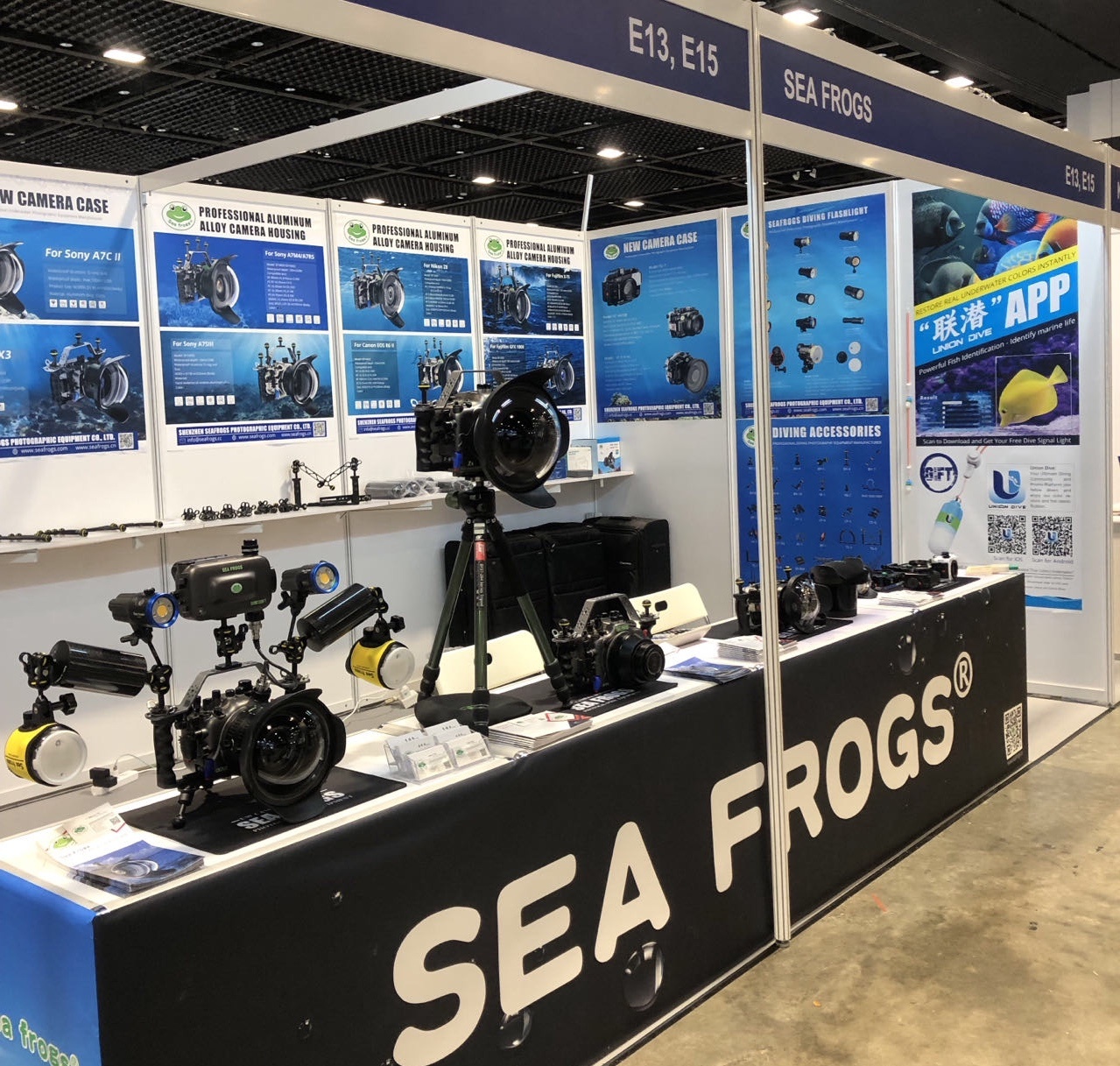
April 12-14th, 2024
Suntec Singapore Convention & Exhibition Centre
2024/04/12

Copyright © 2024 Shenzhen Seafrogs Photographic Equipment Co., Ltd. All rights reserved.
Powered by 300.cn | SEO |