
Capture Stunning Underwater Shots with Sony's Aluminum Housing: A Comprehensive Guide
2024-11-30 11:40
Capture Stunning Underwater Shots with Sony's Aluminum Housing: A Comprehensive Guide
Table of Contents
- Introduction to Underwater Photography
- Why Choose Sony's Aluminum Housing for Underwater Photography?
- Features and Benefits of Sony's Aluminum Housing
- Setting Up Your Underwater Photography Rig
- Techniques for Capturing Stunning Underwater Photos
- Post-Processing Tips for Underwater Photos
- Maintenance and Care of Your Sony Aluminum Housing
- Frequently Asked Questions
- Conclusion
Introduction to Underwater Photography
Underwater photography opens up a vibrant world of color, life, and unique perspectives. It allows photographers to capture scenes that are often hidden from the surface, resulting in stunning visuals of marine life, underwater landscapes, and more. However, to successfully navigate this challenging environment, having the right equipment and techniques is crucial.
Why Choose Sony's Aluminum Housing for Underwater Photography?
Sony's aluminum housing is designed specifically for underwater photography, offering divers and photographers the perfect balance of durability and functionality. Here are several reasons why this housing stands out:
Durability and Protection
Sony's aluminum housing is built to withstand the rigors of underwater environments. It provides excellent protection against water pressure, corrosion, and physical impacts, ensuring your camera remains safe during dives.
Lightweight and Compact Design
Despite its robust build, the aluminum housing is lightweight and compact, making it easy to maneuver while underwater. Its design minimizes bulk, allowing for greater agility and comfort during extended shoots.
Precision Engineering
Sony’s aluminum housing is engineered to offer precise control over camera functions. This allows photographers to adjust settings seamlessly, ensuring optimal performance in varying underwater conditions.
Features and Benefits of Sony's Aluminum Housing
Understanding the specific features of Sony's aluminum housing can help you maximize its potential for capturing breathtaking underwater shots.
Waterproofing and Depth Rating
The aluminum housing is waterproof up to significant depths, typically around 100 meters. This feature allows divers to explore deeper waters while capturing stunning images without worry.
Access to Controls
The housing includes easily accessible buttons and controls that replicate every function of your camera. This design allows for quick adjustments, even while wearing diving gloves.
Integrated Lighting Options
Many Sony aluminum housings come with compatibility for external lighting systems. Proper lighting is essential in underwater photography to counteract the loss of color and detail due to water absorption.
Setting Up Your Underwater Photography Rig
Setting up your underwater shooting rig properly is essential for capturing high-quality images. Follow these steps for an effective setup:
Choosing the Right Camera
Select a compatible Sony camera that fits within the aluminum housing. Cameras with high-resolution sensors and fast autofocus capabilities are ideal for underwater photography.
Attaching Additional Accessories
Consider adding accessories such as wide-angle lenses or macro lenses for versatility in your shots. Ensure that they are compatible with your housing.
Testing the Housing
Before your dive, conduct a thorough test of the housing. Check for any leaks, ensure all buttons function correctly, and verify that your camera is securely locked inside.
Techniques for Capturing Stunning Underwater Photos
Once your rig is set up, mastering specific techniques will help you achieve the best results.
Understand Underwater Lighting
Lighting changes underwater due to water’s absorption properties. Use natural light effectively by shooting during the day and close to the surface. For deeper dives, consider using external strobes or video lights to illuminate your subject.
Composition and Framing
Apply the same composition rules you would use on land. Use the rule of thirds to create balanced and engaging images. Pay attention to your background to avoid distractions.
Use Slow Shutter Speeds
Experiment with slower shutter speeds to capture motion, such as fish swimming. This technique can create a sense of fluidity and movement in your photos.
Post-Processing Tips for Underwater Photos
Post-processing is an essential step in enhancing your underwater shots. Here are some tips to consider:
Adjusting Color Balance
Underwater images often suffer from a greenish or bluish tint. Use photo editing software to adjust the color balance, enhancing reds and other colors that are lost in water.
Contrast and Clarity
Increase the contrast and clarity of your images to make colors pop. This adjustment can help bring out details that may appear muted in the original photo.
Crop for Impact
Don’t hesitate to crop your images to improve composition. Focusing on the primary subject can enhance visual interest and impact.
Maintenance and Care of Your Sony Aluminum Housing
Maintaining your aluminum housing is vital for ensuring its longevity and functionality.
Rinse After Each Dive
Always rinse your housing in fresh water after every dive to remove salt, sand, and other debris. This simple step helps prevent corrosion and keeps your equipment in top condition.
Inspect Seals and O-Rings
Regularly check the seals and O-rings for wear and tear. Replace them as needed to ensure a watertight seal.
Store Properly
When not in use, store your aluminum housing in a cool, dry place, away from direct sunlight. This helps protect it from environmental factors that could cause damage.
Frequently Asked Questions
What is the maximum depth for Sony's aluminum housing?
Sony's aluminum housing is typically rated for depths of up to 100 meters, depending on the specific model. Always check the manufacturer's specifications for your exact model.
Can I use my housing for snorkeling as well?
Yes! Sony's aluminum housing is suitable for both diving and snorkeling, making it a versatile choice for underwater photography.
Do I need additional lighting for underwater photography?
While natural light may suffice for shallow dives, additional lighting is recommended for deeper waters to enhance color and detail in your images.
How can I improve my underwater photography skills?
Practice is key! Experiment with different settings, compositions, and techniques. Consider joining underwater photography workshops or forums for tips and feedback.
Is post-processing necessary for underwater photos?
While not mandatory, post-processing can significantly enhance the quality of your underwater images, helping to correct color issues and improve overall aesthetics.
Conclusion
Capturing stunning underwater shots with Sony's aluminum housing involves understanding both the equipment and the unique challenges posed by the underwater environment. By choosing the right camera, using effective techniques, and maintaining your gear properly, you can create breathtaking images that showcase the beauty of the underwater world. With practice and patience, you’ll soon find that your underwater photography skills reach new depths, allowing you to share the mesmerizing wonders of the ocean with others.
MORE NEWS
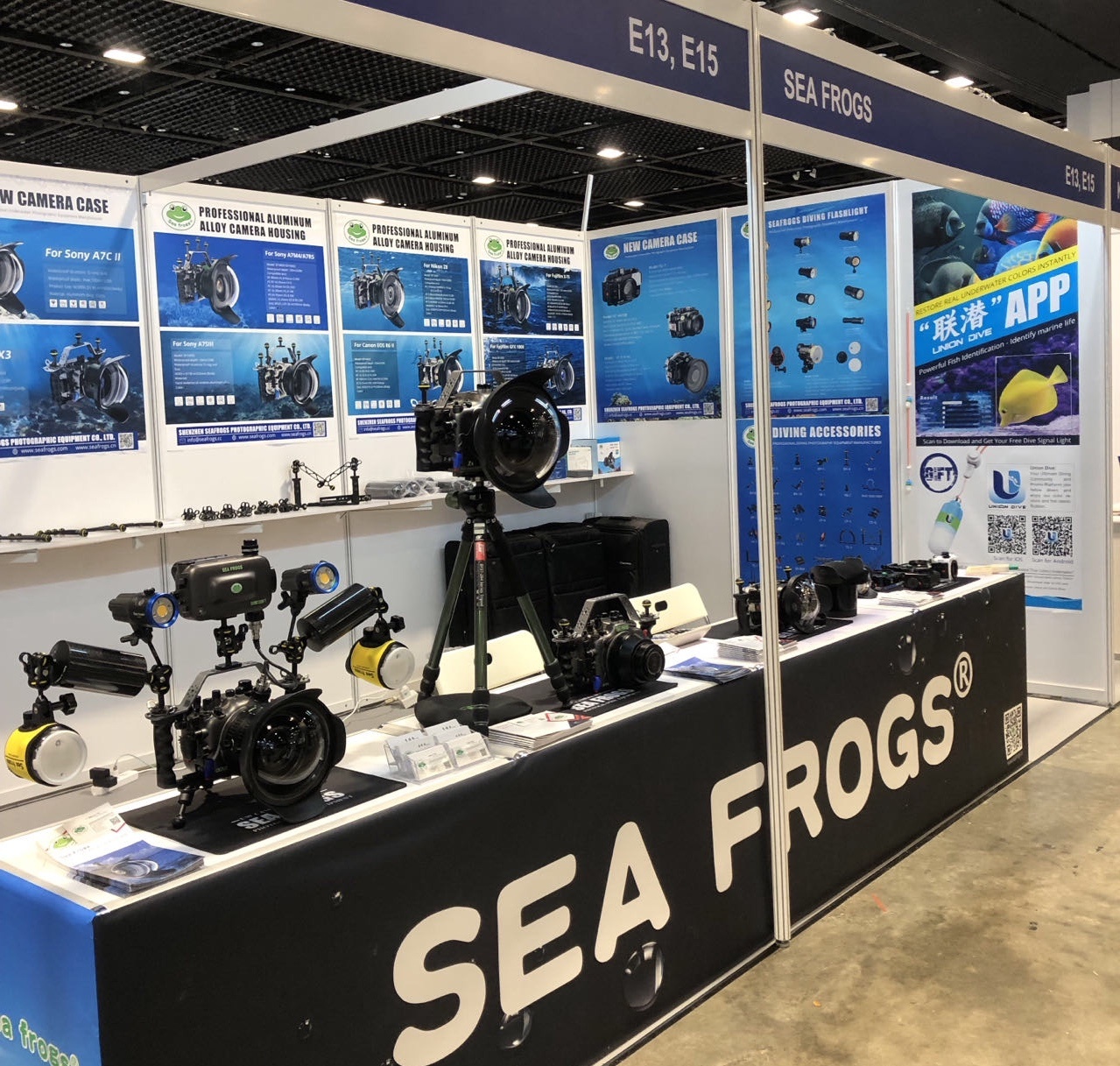
April 12-14th, 2024
Suntec Singapore Convention & Exhibition Centre
2024/04/12
Copyright © 2024 Shenzhen Seafrogs Photographic Equipment Co., Ltd. All rights reserved.
Powered by 300.cn | SEO |