
Strobe Arms: The Essential Tool for Underwater Camera Enthusiasts
2024-11-28 13:00
Strobe Arms: The Essential Tool for Underwater Camera Enthusiasts
Table of Contents
1. Introduction to Underwater Photography
2. The Importance of Strobe Arms in Underwater Photography
3. Types of Strobe Arms Available
3.1 Rigid Strobe Arms
3.2 Flexible Strobe Arms
4. How to Choose the Right Strobe Arms
4.1 Compatibility with Your Camera
4.2 Weight and Buoyancy Considerations
5. Maintaining Your Strobe Arms
6. Tips for Using Strobe Arms Effectively
6.1 Positioning Your Strobe Arms for Optimal Lighting
6.2 Experimenting with Angles and Heights
7. Common Mistakes to Avoid with Strobe Arms
8. Conclusion
9. FAQs
1. Introduction to Underwater Photography
Underwater photography takes you into a mesmerizing world filled with vibrant marine life and stunning landscapes. For enthusiasts, capturing this beauty requires not just skill but also the right tools. Among these tools, strobe arms stand out as a vital component for achieving breathtaking images.
2. The Importance of Strobe Arms in Underwater Photography
Strobe arms are essential for underwater photographers because they allow for the proper positioning and adjustment of underwater strobes. This positioning is critical for illuminating subjects effectively while minimizing backscatter and enhancing color saturation. Understanding their functionality can elevate your photography to new heights.
3. Types of Strobe Arms Available
When it comes to strobe arms, there are two primary types—rigid and flexible. Each serves unique purposes and caters to different shooting styles.
3.1 Rigid Strobe Arms
Rigid strobe arms are perfect for photographers who prioritize stability and precise positioning. These arms provide a solid structure that can support heavier strobes without any risk of drooping. Ideal for macro photography, rigid arms allow for consistent lighting angles, ensuring your subjects are well-illuminated from the desired perspective.
3.2 Flexible Strobe Arms
Flexible strobe arms, on the other hand, offer versatility and adaptability. These arms can be bent and adjusted to fit various angles and positions, making them excellent for capturing dynamic shots in unpredictable underwater environments. They are lightweight and easily transportable, making them a favorite among divers who prioritize ease of use.
4. How to Choose the Right Strobe Arms
Selecting the appropriate strobe arms can significantly affect the outcome of your underwater photography. Here are a few key factors to consider when choosing the right fit for your setup.
4.1 Compatibility with Your Camera
Before making a purchase, ensure the strobe arms are compatible with your camera housing and strobes. Compatibility is crucial for achieving optimal performance and ensuring that all components work seamlessly together.
4.2 Weight and Buoyancy Considerations
Take into account the weight of the strobe arms and how they affect your overall setup's buoyancy. An ideal configuration should be balanced to avoid excess weight that can make maneuvering cumbersome while diving. Consider adding buoyancy floats to assist with balance if necessary.
5. Maintaining Your Strobe Arms
Proper maintenance of your strobe arms will extend their lifespan and ensure consistent performance. Regularly check for signs of wear and tear, particularly on any movable joints. Rinse the arms in freshwater after every dive to remove salt and debris that could lead to corrosion. Store them in a cool, dry place when not in use.
6. Tips for Using Strobe Arms Effectively
Utilizing strobe arms effectively can greatly enhance the quality of your underwater photos. Here are some strategic tips to consider.
6.1 Positioning Your Strobe Arms for Optimal Lighting
The placement of your strobe arms is crucial. Aim to position them at a 45-degree angle to your subject for a natural lighting effect. This angle helps reduce shadows and minimizes backscatter while bringing out the colors of your subject.
6.2 Experimenting with Angles and Heights
Don’t be afraid to experiment with different angles and heights. Each dive is unique, and varying your lighting setup can lead to unexpected, stunning results. Try different arrangements to see which combinations work best for specific subjects or conditions.
7. Common Mistakes to Avoid with Strobe Arms
While strobe arms are integral to underwater photography, there are common pitfalls to avoid.
- **Overly Close Positioning**: Placing your strobes too close to your subject can cause harsh lighting and unwanted reflections.
- **Ignoring Ambient Light**: Always consider the available ambient light and adjust your strobes accordingly. Ignoring it can lead to unnatural images.
- **Neglecting Composition**: Focus solely on lighting without considering composition can result in less compelling images.
8. Conclusion
Strobe arms are indispensable tools for any underwater camera enthusiast. Understanding their types, how to select the right one, and how to maintain and use them effectively can significantly improve your underwater photography experience. Whether you're capturing the vibrant colors of coral reefs or the intricate details of marine life, investing in quality strobe arms will undoubtedly enhance your results.
9. FAQs
What are strobe arms used for in underwater photography?
Strobe arms are used to position underwater strobes effectively, providing illumination that enhances image quality and color saturation while minimizing backscatter.
How do I choose the right strobe arms for my camera?
Select strobe arms that are compatible with your camera housing, considering factors like weight and buoyancy that suit your diving style.
Can I use strobe arms with any camera model?
Not all strobe arms are universally compatible. Ensure that the strobe arms you choose match your specific camera model and housing requirements.
How should I maintain my strobe arms?
Rinse them in freshwater after diving, inspect for wear and tear, and store them in a cool, dry place to ensure longevity and performance.
What is the best angle to position my strobes?
A position of about 45 degrees to your subject is ideal for achieving a natural lighting effect while reducing shadows and backscatter.
By carefully considering the information provided, underwater photographers can leverage strobe arms to capture stunning visuals that showcase the beauty of the underwater world.
MORE NEWS
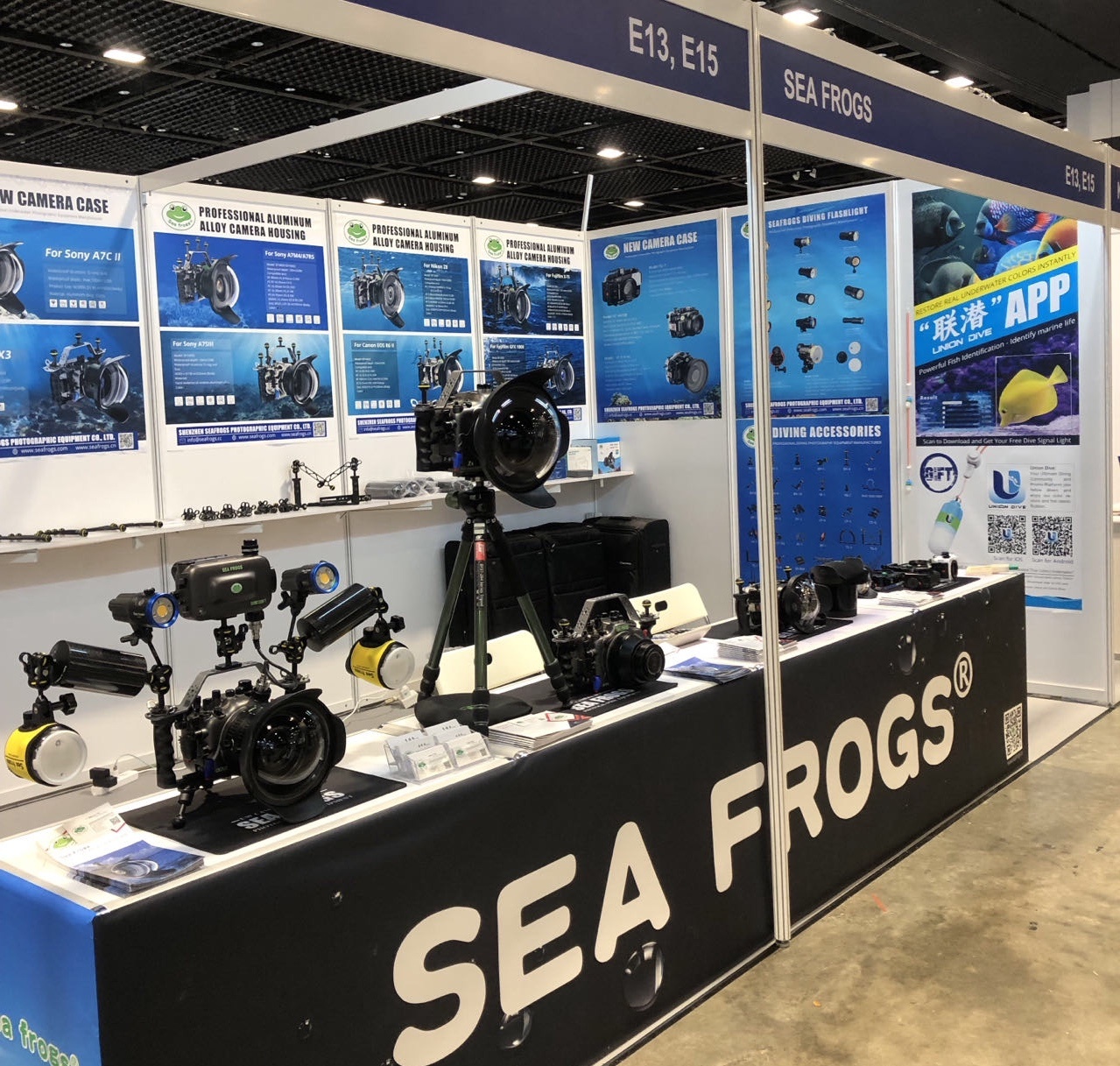
April 12-14th, 2024
Suntec Singapore Convention & Exhibition Centre
2024/04/12
Copyright © 2024 Shenzhen Seafrogs Photographic Equipment Co., Ltd. All rights reserved.
Powered by 300.cn | SEO |