
Illuminate Your Underwater Adventures: The Essential Guide to Scuba Diving Flashlights
2024-11-27 15:20
---
When it comes to scuba diving, visibility is crucial for a safe and enjoyable experience. One essential tool that divers often overlook is the scuba diving flashlight. This piece of equipment not only helps illuminate the underwater world but also serves as a necessary safety device.
A scuba diving flashlight is purpose-built to withstand the harsh conditions of underwater environments. These flashlights are typically designed to be waterproof, durable, and resistant to corrosion, making them ideal for diving in various aquatic settings. When selecting a flashlight, divers should consider factors such as brightness (measured in lumens), beam distance, battery life, and construction materials.
Brightness is a key feature of scuba diving flashlights. The strength of the light can significantly affect your visibility underwater, especially in deeper dives where ambient light diminishes rapidly. A flashlight with at least 300 lumens is generally recommended for recreational diving, providing ample illumination to explore reefs or caves and spot marine life.
Another essential aspect of scuba diving flashlights is their beam distance. A focused beam can reach further into the depths, allowing divers to see objects at a greater distance. This feature is particularly important for those diving in murky waters where visibility is already compromised.
Battery life is another critical consideration. Many modern scuba diving flashlights are equipped with rechargeable batteries, which can last several hours on a single charge. Divers should evaluate their planned dive duration and ensure that their flashlight can operate effectively throughout the entire dive. Additionally, choosing a flashlight that allows for easy battery replacement or charging is a wise decision for frequent divers.
Construction materials also play a vital role in the performance and longevity of a scuba diving flashlight. Look for models made from high-quality materials such as anodized aluminum or high-impact plastics, which provide both durability and resistance to saltwater corrosion.
Lastly, consider the size and weight of the flashlight. A compact, lightweight design can be more convenient for divers, allowing for easier handling and storage in dive gear.
In conclusion, investing in a reliable scuba diving flashlight can greatly enhance your underwater experience. Not only does it improve visibility, but it also serves as a safety tool for signaling and navigation. By understanding the various features and specifications of diving flashlights, divers can make informed choices that suit their diving style and conditions. Whether you are a seasoned diver or just starting out, a quality scuba diving flashlight is an indispensable companion for all your underwater adventures.
When it comes to scuba diving, visibility is crucial for a safe and enjoyable experience. One essential tool that divers often overlook is the scuba diving flashlight. This piece of equipment not only helps illuminate the underwater world but also serves as a necessary safety device.
A scuba diving flashlight is purpose-built to withstand the harsh conditions of underwater environments. These flashlights are typically designed to be waterproof, durable, and resistant to corrosion, making them ideal for diving in various aquatic settings. When selecting a flashlight, divers should consider factors such as brightness (measured in lumens), beam distance, battery life, and construction materials.
Brightness is a key feature of scuba diving flashlights. The strength of the light can significantly affect your visibility underwater, especially in deeper dives where ambient light diminishes rapidly. A flashlight with at least 300 lumens is generally recommended for recreational diving, providing ample illumination to explore reefs or caves and spot marine life.
Another essential aspect of scuba diving flashlights is their beam distance. A focused beam can reach further into the depths, allowing divers to see objects at a greater distance. This feature is particularly important for those diving in murky waters where visibility is already compromised.
Battery life is another critical consideration. Many modern scuba diving flashlights are equipped with rechargeable batteries, which can last several hours on a single charge. Divers should evaluate their planned dive duration and ensure that their flashlight can operate effectively throughout the entire dive. Additionally, choosing a flashlight that allows for easy battery replacement or charging is a wise decision for frequent divers.
Construction materials also play a vital role in the performance and longevity of a scuba diving flashlight. Look for models made from high-quality materials such as anodized aluminum or high-impact plastics, which provide both durability and resistance to saltwater corrosion.
Lastly, consider the size and weight of the flashlight. A compact, lightweight design can be more convenient for divers, allowing for easier handling and storage in dive gear.
In conclusion, investing in a reliable scuba diving flashlight can greatly enhance your underwater experience. Not only does it improve visibility, but it also serves as a safety tool for signaling and navigation. By understanding the various features and specifications of diving flashlights, divers can make informed choices that suit their diving style and conditions. Whether you are a seasoned diver or just starting out, a quality scuba diving flashlight is an indispensable companion for all your underwater adventures.
MORE NEWS
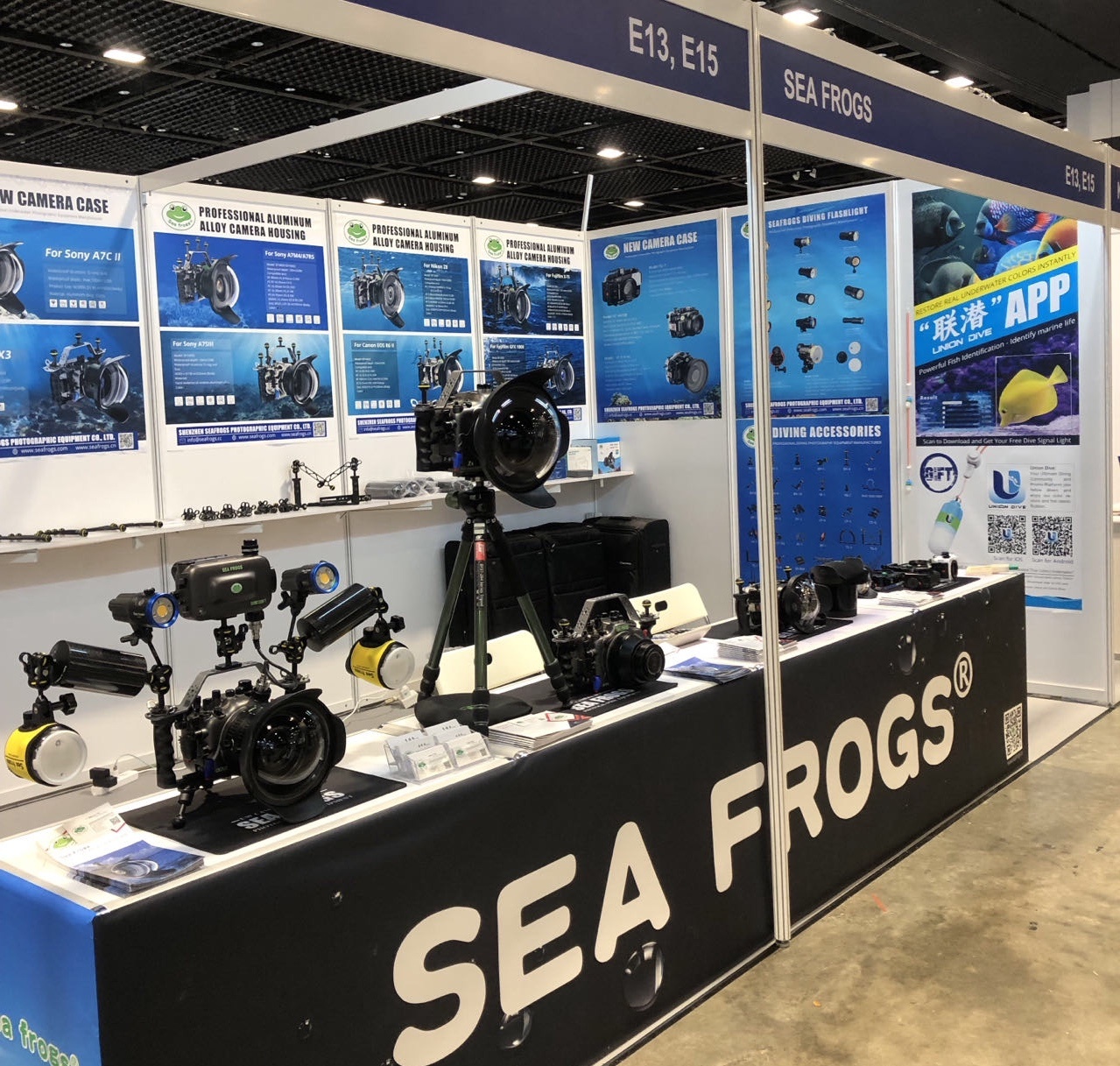
April 12-14th, 2024
Suntec Singapore Convention & Exhibition Centre
2024/04/12


Copyright © 2024 Shenzhen Seafrogs Photographic Equipment Co., Ltd. All rights reserved.
Powered by 300.cn | SEO |