
The Ultimate Guide to Nikon Underwater Photography Settings: Housing Considerations
2024-11-22 14:00
The Ultimate Guide to Nikon Underwater Photography Settings: Housing Considerations
Table of Contents
- Introduction to Underwater Photography
- Why Use Nikon for Underwater Photography?
- Essential Settings for Nikon Underwater Photography
- Best Lenses for Underwater Shooting
- Considerations for Housing Your Nikon
- Lighting in Underwater Photography
- Composition Tips for Underwater Photos
- Frequently Asked Questions
- Conclusion
Introduction to Underwater Photography
Underwater photography captivates many enthusiasts and professionals alike. The shimmering blues, the vibrancy of marine life, and the intricate details of underwater landscapes provide endless opportunities for stunning visuals. However, capturing these moments requires a deep understanding of camera settings, the right equipment, and a few underwater photography techniques.
In this guide, we will explore the **best settings for Nikon cameras**, focusing particularly on housing considerations. Diving deep into the specifics will ensure you are well-prepared to capture breathtaking images beneath the waves.
Why Use Nikon for Underwater Photography?
Nikon has a longstanding reputation for producing high-quality cameras that excel in various photography genres, including underwater photography. Here are several reasons why choosing Nikon can elevate your photography experience:
1. Robust Build Quality
Nikon cameras are known for their durable construction, making them suitable for the demanding environment of underwater photography. They are designed to withstand moisture and handle varied temperatures, which is crucial when submerged.
2. Exceptional Image Quality
With advanced sensor technology, Nikon cameras deliver sharp images with excellent color reproduction, essential for capturing the vibrant marine ecosystem.
3. Versatile Lenses
Nikon offers a wide range of lenses that cater to different underwater photography needs, from macro shots of tiny creatures to wide-angle images of expansive coral reefs.
Essential Settings for Nikon Underwater Photography
Getting the settings right is critical for successful underwater photography. Here are some essential configurations:
1. **White Balance**
Underwater, the colors shift significantly due to the absorption of light by water. Setting the correct **white balance** is crucial to help restore the natural colors of the underwater environment. We recommend using the **"Cloudy"** or **"Shade"** settings to counteract the blue and green hues typical in underwater shots.
2. **ISO Settings**
When shooting underwater, the right ISO can help enhance your images. A lower ISO (around 100-200) is ideal in bright conditions, while a higher ISO (400-800) may be necessary in darker areas or deeper waters. However, be cautious of noise at higher ISO settings.
3. **Aperture Settings**
Aperture controls the depth of field in your images. For wide-angle shots, use a smaller aperture (higher f-stop number) to keep more elements in focus. For macro photography, a larger aperture (lower f-stop number) will help isolate the subject against a blurred background.
4. **Shutter Speed**
Your shutter speed should be fast enough to freeze motion, especially when photographing fast-swimming subjects. A speed of at least 1/125s is recommended, but faster speeds (1/500s or more) are preferable for capturing quick movements.
Best Lenses for Underwater Shooting
Choosing the right lens is paramount in underwater photography. Here are our top recommendations:
1. **Nikon AF-S DX Micro NIKKOR 85mm f/3.5G ED VR**
This lens is perfect for macro photography, allowing you to capture intricate details of small subjects such as fish and corals.
2. **Nikon AF-S NIKKOR 16-35mm f/4G ED VR**
This wide-angle lens is ideal for photographing expansive underwater landscapes and schools of fish, offering a great perspective.
3. **Nikon AF-S NIKKOR 14-24mm f/2.8G ED**
Another excellent wide-angle option, this lens provides exceptional sharpness and clarity, making it a favorite among underwater photographers.
Considerations for Housing Your Nikon
When venturing underwater, investing in the right housing is crucial for protecting your camera. Here are essential considerations:
1. **Type of Housing**
There are two primary types of housings: **hard** and **soft**. Hard housings offer robust protection, while soft housings are lighter and more portable. Choose based on your diving conditions and personal preference.
2. **Depth Rating**
Ensure the housing you select can withstand the depths you plan to explore. Most housings are rated for specific depths, usually between 60-150 meters.
3. **Control Accessibility**
Check that all essential controls like zoom, shutter, and aperture settings are easily accessible while in housing. This flexibility enhances your shooting experience underwater.
4. **Port Options**
Your housing may come with interchangeable ports tailored for different lenses. Ensure compatibility with your chosen lenses to maximize flexibility.
Lighting in Underwater Photography
Light behaves differently underwater, affecting your images' quality. Here’s how to manage lighting effectively:
1. **Natural Light**
Relying on natural light is crucial, especially for shallow dives. The best times for underwater photography are early morning or late afternoon when the sunlight is softer.
2. **Strobe Lighting**
When diving deeper, natural light diminishes quickly. Using underwater strobes or flashes will help illuminate your subjects, enhancing colors and details. Proper positioning of strobes can reduce backscatter, resulting in cleaner images.
3. **Video Lights**
LED video lights can provide continuous illumination, making them suitable for both photography and videography. They offer similar benefits to strobes but are easier to manage for video.
Composition Tips for Underwater Photos
Just as in traditional photography, composition plays a vital role in underwater imagery. Here are some tips to improve your composition:
1. **Rule of Thirds**
Use the rule of thirds to create balanced images. Position key elements along the grid lines or at intersections to enhance visual interest.
2. **Leading Lines**
Incorporate natural lines, like coral formations or schools of fish, to guide the viewer’s eye through your image.
3. **Framing**
Utilize underwater structures to frame your subject, adding depth to your images.
4. **Perspective**
Experiment with different angles and perspectives. Shooting from below your subject can create a striking effect, particularly with marine animals against the backdrop of sunlight filtering through the water.
Frequently Asked Questions
1. What is the best Nikon camera for underwater photography?
The Nikon D850 and Z6 offer excellent image quality and robust performance for underwater photography. However, for compact options, consider the Nikon Coolpix W300.
2. Can I use my Nikon DSLR underwater without housing?
No, you cannot use a DSLR underwater without housing, as water can severely damage the camera.
3. How do I prevent fogging in my underwater housing?
Use anti-fogging agents or inserts that help to minimize fogging when the housing is submerged.
4. Is it necessary to use a strobe light for underwater photography?
While not always necessary, using a strobe light can significantly improve image quality by enhancing color and reducing the effects of backscatter.
5. What is the ideal ISO setting for underwater photography?
The ideal ISO setting depends on the conditions; generally, ISO 100-200 is best for bright conditions, while 400-800 works well in darker environments.
Conclusion
Mastering underwater photography with your Nikon requires understanding the unique challenges of shooting beneath the waves. From selecting the right settings to choosing the appropriate housing and lenses, every detail plays a significant role in capturing stunning underwater images.
By following the guidelines outlined in this comprehensive guide, you will be well on your way to achieving breathtaking underwater photography. Dive in with confidence, and let your creativity shine through every shot!
MORE NEWS
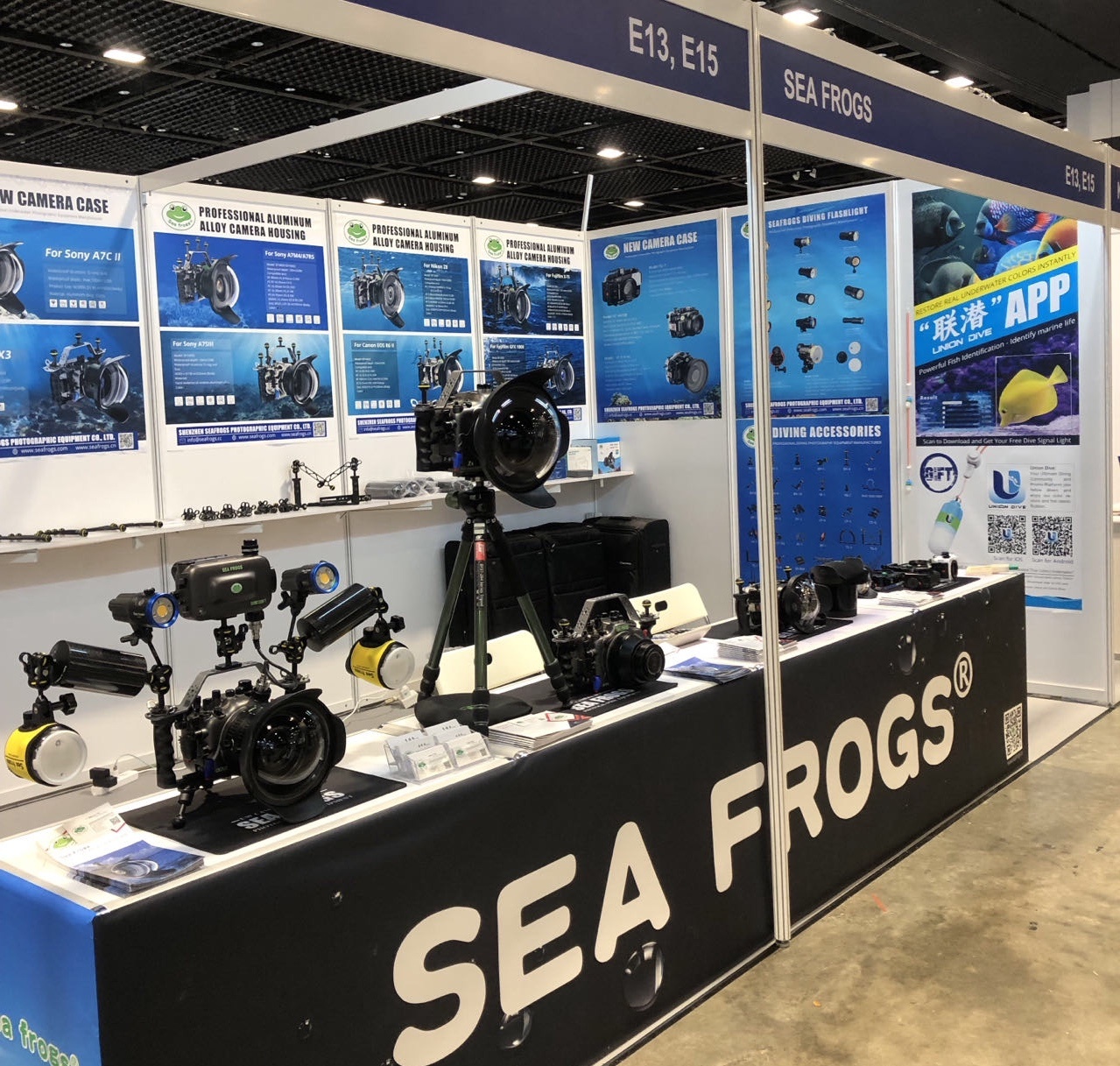
April 12-14th, 2024
Suntec Singapore Convention & Exhibition Centre
2024/04/12
Copyright © 2024 Shenzhen Seafrogs Photographic Equipment Co., Ltd. All rights reserved.
Powered by 300.cn | SEO |