
Explore the Depths: Unleashing the Benefits of Underwater Aluminum Housing for Sony Cameras
2024-11-20 12:00
Explore the Depths: Unleashing the Benefits of Underwater Aluminum Housing for Sony Cameras
Table of Contents
1. Understanding Underwater Photography
2. What is Underwater Aluminum Housing?
3. Key Benefits of Using Aluminum Housing for Sony Cameras
3.1 Enhanced Durability and Protection
3.2 Superior Heat Dissipation
3.3 Lightweight and Ergonomic Design
4. Comparison with Other Housing Materials
4.1 Polycarbonate vs. Aluminum
4.2 Advantages of Aluminum Over Plastic
5. Choosing the Right Aluminum Housing for Your Sony Camera
5.1 Compatibility Considerations
5.2 Essential Features to Look For
6. Tips for Using Your Sony Camera in Underwater Aluminum Housing
7. Maintenance and Care of Underwater Aluminum Housing
8. Frequently Asked Questions (FAQs)
9. Conclusion
1. Understanding Underwater Photography
Underwater photography is a captivating form of artistry that allows photographers to explore and capture the beauty of aquatic life. With the increasing advancement in camera technology, more photographers are seeking to utilize their Sony cameras for underwater adventures. This shift has led to a rising demand for specialized equipment, particularly **underwater housing**, which provides protection and functionality for cameras submerged in water.
2. What is Underwater Aluminum Housing?
Underwater aluminum housing is a protective enclosure designed specifically for cameras, allowing them to function effectively in underwater environments. Made from high-grade aluminum, this housing is engineered to withstand the rigors of diving, ensuring that the camera remains safe from water damage and pressure. With precision engineering, aluminum housing provides a reliable solution for photographers who wish to capture stunning images beneath the surface.
3. Key Benefits of Using Aluminum Housing for Sony Cameras
Choosing aluminum housing for Sony cameras comes with a myriad of advantages that enhance the overall photography experience. Below are some of the primary benefits:
3.1 Enhanced Durability and Protection
One of the most significant advantages of aluminum housing is its superior durability. Unlike plastic housing, aluminum is robust and built to withstand harsher conditions, making it ideal for deep-sea diving. The **resistance to corrosion** ensures that the housing maintains its integrity over time, even when exposed to saltwater or extreme temperatures. This durability not only protects the camera but also extends its lifespan.
3.2 Superior Heat Dissipation
Underwater photography can generate heat, especially during prolonged use. Aluminum housing provides excellent **heat dissipation**, allowing the camera to operate at optimal temperatures. This feature is essential for maintaining image quality and avoiding overheating, which can lead to potential damage.
3.3 Lightweight and Ergonomic Design
While aluminum is known for its strength, it is also surprisingly lightweight. This combination allows for an ergonomic design that makes it easier for photographers to maneuver their cameras underwater. The comfortable grip and balanced weight distribution enhance the overall user experience, allowing for longer periods of shooting without fatigue.
4. Comparison with Other Housing Materials
When it comes to underwater camera housing, several materials are commonly used, including polycarbonate and aluminum. Understanding the differences can help in making an informed choice.
4.1 Polycarbonate vs. Aluminum
Polycarbonate housing is often praised for its affordability and lightweight nature. However, it typically lacks the durability and structural integrity of aluminum. While polycarbonate may be adequate for shallow dives, it may not provide the same level of protection in deeper waters. Aluminum, on the other hand, offers a longer-lasting investment for serious underwater photographers.
4.2 Advantages of Aluminum Over Plastic
Aluminum housing has distinct advantages over plastic housing. Not only does aluminum offer superior durability and heat dissipation, but it also allows for better mounting options and accessories. Photographers can easily attach external lights and other equipment, enhancing the photography experience.
5. Choosing the Right Aluminum Housing for Your Sony Camera
Selecting the ideal aluminum housing for your Sony camera involves various considerations to ensure compatibility and functionality.
5.1 Compatibility Considerations
Before purchasing aluminum housing, it is crucial to check the compatibility with your specific Sony camera model. Not all housings fit every camera, and using incompatible housing can result in water damage. Consult the manufacturer’s specifications to ensure a proper fit.
5.2 Essential Features to Look For
When selecting aluminum housing, look for features that enhance usability. Essential aspects to consider include **depth rating**, port options for lenses, ergonomic controls, and accessibility for buttons and dials. Additional features such as **built-in handles** and **tripod mounts** can also improve the shooting experience.
6. Tips for Using Your Sony Camera in Underwater Aluminum Housing
To maximize the benefits of your underwater aluminum housing, we recommend adhering to several best practices:
- **Test Before Diving**: Always perform a leak test before your dive to ensure that the housing is sealed correctly.
- **Use a Lanyard**: Attach a lanyard to your camera to prevent accidental drops while underwater.
- **Plan Your Shots**: Understand the underwater environment and plan your shots carefully. Lighting can be drastically different underwater.
7. Maintenance and Care of Underwater Aluminum Housing
Proper maintenance of your aluminum housing is crucial for longevity. Here are essential care tips:
- **Rinse After Use**: Always rinse the housing with fresh water after each dive to remove salt and debris.
- **Inspect O-Rings**: Regularly check and maintain the O-rings to ensure a watertight seal.
- **Store Properly**: Store your housing in a cool, dry place away from direct sunlight to prevent damage.
8. Frequently Asked Questions (FAQs)
1. How deep can I dive with aluminum housing for my Sony camera?
Most aluminum housing is designed for depths of up to 100 meters, but it’s important to check individual specifications.
2. Is it safe to use my Sony camera in saltwater with aluminum housing?
Yes, aluminum housing is designed to protect against saltwater. However, rinsing it with fresh water after each use is essential.
3. Can I use my underwater aluminum housing for other activities like snorkeling?
Absolutely! Aluminum housing is versatile and suitable for various underwater activities, including snorkeling.
4. What is the average cost of underwater aluminum housing for Sony cameras?
Prices can range from $500 to over $2000, depending on the brand and features.
5. How often should I service my aluminum housing?
It’s advisable to have your housing serviced annually or after heavy use to ensure all components are functioning optimally.
9. Conclusion
Investing in underwater aluminum housing for your Sony camera is a decision that opens up a world of possibilities in underwater photography. With enhanced durability, superior heat dissipation, and a lightweight design, aluminum housing allows photographers to capture the beauty of the aquatic world with confidence. By choosing the right housing and following best practices, you can protect your camera and elevate your underwater photography experience. So, gear up and prepare to explore the depths, knowing you have the best protection for your Sony camera!
MORE NEWS
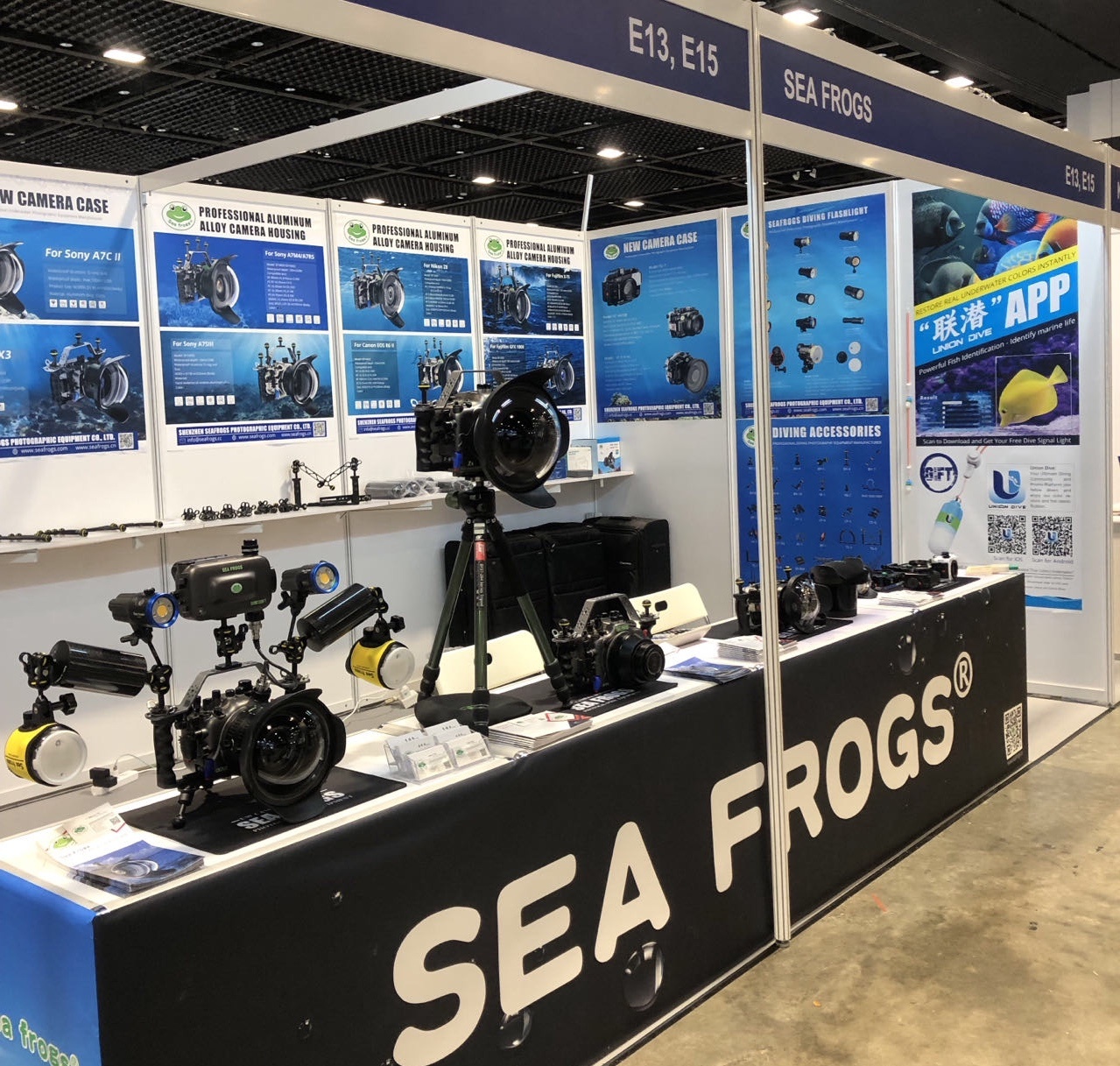
April 12-14th, 2024
Suntec Singapore Convention & Exhibition Centre
2024/04/12
Copyright © 2024 Shenzhen Seafrogs Photographic Equipment Co., Ltd. All rights reserved.
Powered by 300.cn | SEO |