
Maximize Your Underwater Photography with Strobe Arms: A Comprehensive Guide
2024-11-18 18:00
Maximize Your Underwater Photography with Strobe Arms
Table of Contents
- Introduction to Underwater Photography and Strobe Arms
- Understanding Strobe Arms: Anatomy and Function
- The Importance of Strobe Arms in Underwater Photography
- Choosing the Right Strobe Arms for Your Setup
- How to Use Strobe Arms Effectively in Your Shots
- Techniques for Creating Breathtaking Underwater Photos with Strobe Arms
- Common Mistakes to Avoid with Strobe Arms
- FAQs about Strobe Arms and Underwater Photography
- Conclusion: Achieving Stunning Underwater Photography
Introduction to Underwater Photography and Strobe Arms
Underwater photography presents unique challenges and opportunities for creativity, allowing photographers to capture the beauty of marine life and underwater landscapes. One of the most crucial tools for achieving stunning results in this medium is the strobe arm. By understanding how to effectively use strobe arms, photographers can enhance color, improve visibility, and create a more professional final image.
Understanding Strobe Arms: Anatomy and Function
What are Strobe Arms?
Strobe arms, also known as lighting arms or extension arms, are essential components in underwater photography setups. They serve as supports for underwater strobes, allowing for flexibility in positioning the light source relative to the camera and subject. This flexibility is pivotal in controlling shadows and reflections while illuminating subjects effectively.
Components of Strobe Arms
Strobe arms typically consist of the following components:
- **Arm Segments**: These are the main body of the strobe arm, often made from materials such as aluminum or plastic for durability and lightweight handling.
- **Ball Joints**: These allow for easy adjustment and positioning of the strobe in various angles.
- **Clamps and Adapters**: These attach the strobe arms to your camera housing and provide stability.
- **Mounting Plates**: These are used to secure the strobe and can often be adjusted for varying angles of light placement.
The Importance of Strobe Arms in Underwater Photography
Enhancing Lighting Control
Properly positioned strobe arms allow photographers to direct artificial light precisely where it is needed. This capability is crucial when photographing underwater, as natural light diminishes rapidly with depth, particularly affecting color saturation.
Improving Color Balance
Underwater scenes often suffer from color casts due to water absorbing certain wavelengths of light. By using strobe arms to position your artificial lighting effectively, you can counteract these color imbalances, resulting in vibrant and true-to-life colors in your images.
Creating Depth and Dimension
The strategic use of strobe arms helps create depth and dimension in underwater photographs. By casting shadows and highlights, photographers can add layers to their images, bringing marine subjects to life and making them more visually appealing.
Choosing the Right Strobe Arms for Your Setup
Consider Your Photography Style
When selecting strobe arms, consider your underwater photography style. Whether you focus on macro photography or wide-angle shots will influence the type of strobe arms you need. Longer arms may be necessary for wide-angle shots, while shorter arms might suffice for macro photography.
Material and Build Quality
Choose strobe arms made from materials that can withstand the marine environment. Aluminum arms are lightweight and corrosion-resistant, while plastic alternatives are usually more affordable. Ensure that the build quality is robust enough to handle the stresses of underwater use.
Compatibility with Your Gear
Check that the strobe arms are compatible with your camera housing and strobe model. Many manufacturers offer systems designed to work seamlessly together, ensuring that you can optimize your underwater setup.
How to Use Strobe Arms Effectively in Your Shots
Positioning Your Strobe Arms
The positioning of strobe arms is key to successful underwater photography. Position your strobe at a 45-degree angle to your subject to minimize backscatter and maximize illumination. Experiment with different distances and angles to achieve the desired effect.
Adjusting Power Output
Most strobes allow for power adjustments. Start with a lower power setting to avoid overpowering your subject and gradually increase the output as needed. This method helps maintain the natural appearance of your images.
Using Multiple Strobe Arms
For more complex shots, consider using two strobe arms. This setup provides more light and can help reduce shadows, offering a more evenly lit scene. Ensure you adjust the power and position of each strobe for optimal results.
Techniques for Creating Breathtaking Underwater Photos with Strobe Arms
Utilizing Backlighting
Backlighting can create stunning effects in underwater photography, especially with strobe arms. Position your strobes behind your subject to illuminate edges and create a halo effect. This technique works particularly well with transparent subjects, such as jellyfish.
Capturing Motion and Action
When photographing fast-moving subjects, such as fish or dive enthusiasts, use a fast shutter speed in combination with strobe lighting. The strobe freezes the motion, while the ambient light adds context to the scene.
Experimenting with Exposure Settings
Play with your camera’s exposure settings to see how they interact with your strobe arms. Adjusting ISO, aperture, and shutter speed can yield different results in your underwater shots. Higher ISO settings can help in low-light conditions but may introduce noise.
Common Mistakes to Avoid with Strobe Arms
Overexposing Your Subject
One of the most common mistakes is overexposing subjects with too much artificial light. To avoid this, start with a lower strobe output and gradually increase it until you achieve the desired exposure.
Not Using Diffusers
Failing to use diffusers on your strobes can lead to harsh lighting and unflattering shadows. Diffusers help soften the light and create a more even distribution, enhancing the overall quality of your images.
Ignoring the Backscatter Issue
Backscatter occurs when light reflects off particles in the water, creating distracting spots in your photos. Proper positioning of your strobe arms and shooting at an angle can help minimize this effect.
FAQs about Strobe Arms and Underwater Photography
1. What are the best strobe arms for beginners?
For beginners, versatile and easy-to-use strobe arms made from lightweight aluminum are ideal. Look for arms that are adjustable and compatible with your existing gear.
2. How do I clean my strobe arms after a dive?
After your dive, rinse your strobe arms with fresh water to remove salt and debris. Allow them to dry completely before storing them to prevent corrosion.
3. Can I use strobe arms for snorkeling photography?
Absolutely! Strobe arms can significantly enhance snorkeling photography by providing better light control and color balance, just as they do in scuba diving.
4. How do I avoid shadows in my underwater shots?
Position your strobe arms strategically to minimize shadows. Using two strobes facing different directions can help illuminate your subject evenly.
5. Is it necessary to use strobe arms for underwater photography?
While not strictly necessary, using strobe arms greatly enhances the quality of underwater photographs, allowing for better lighting control and more vibrant colors.
Conclusion: Achieving Stunning Underwater Photography
Mastering the use of strobe arms is essential for anyone looking to elevate their underwater photography skills. By understanding the anatomy of strobe arms, selecting the right equipment, and employing effective techniques, photographers can create stunning images that capture the beauty of the underwater world. Avoid common pitfalls, experiment with various settings, and most importantly, have fun with your photography. Embrace the challenges of underwater photography, and let strobe arms help you unlock your creativity beneath the waves.
MORE NEWS
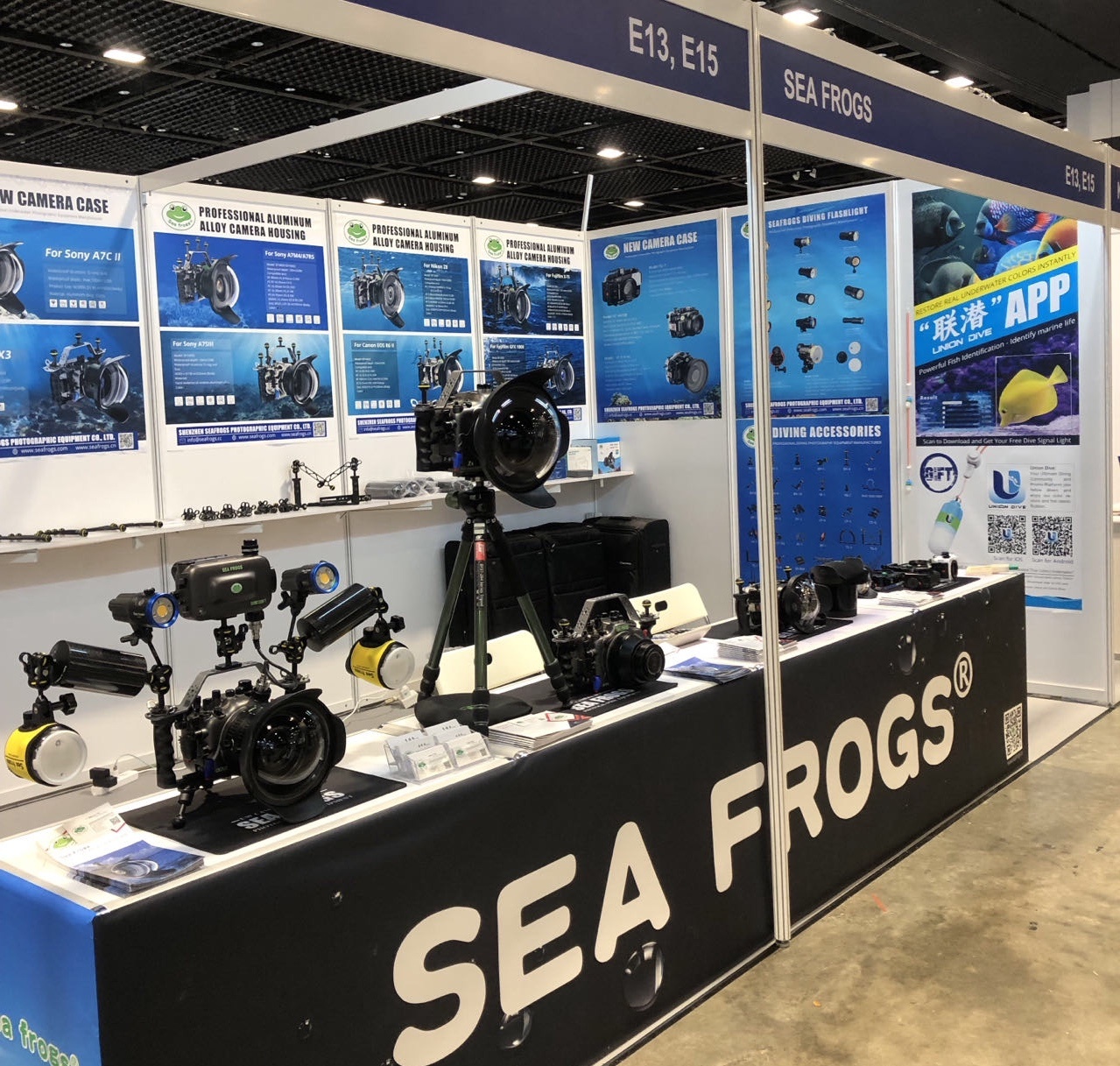
April 12-14th, 2024
Suntec Singapore Convention & Exhibition Centre
2024/04/12
Copyright © 2024 Shenzhen Seafrogs Photographic Equipment Co., Ltd. All rights reserved.
Powered by 300.cn | SEO |